Summary
Sock marks that linger and shoes that pinch by evening usually point to fluid pooling under gravity, but a few patterns call for a doctor quickly.
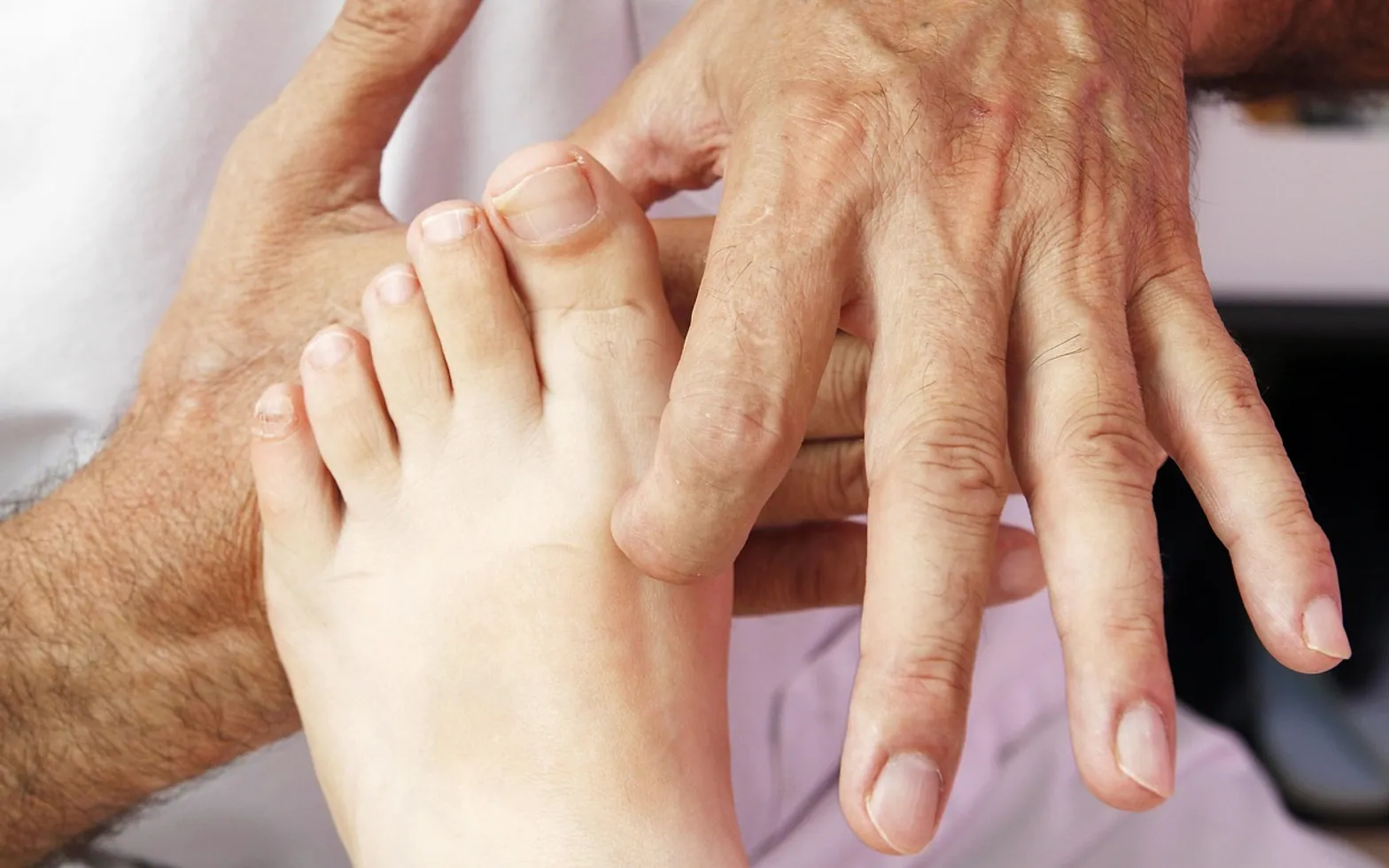
Swollen feet and ankles are most often caused by fluid gathering in the lower legs under the pull of gravity. Long hours of sitting or standing, hot weather, pregnancy, a minor injury and certain medicines are frequent triggers, and this kind of swelling usually improves with movement and by raising the legs. Swelling that appears suddenly, affects only one leg, is painful, or comes with breathlessness is different and needs prompt medical attention.
How fluid ends up around the ankles
Tiny blood vessels constantly let a little fluid seep into the surrounding tissues, and most of it is drawn back into the veins or carried away by the lymphatic system. When that balance tips, fluid builds up and the tissue swells. Doctors call this oedema. Because the feet are the lowest point of the body for most of the day, it shows there first. A tell-tale sign is pitting: press a thumb gently into the swollen area for a few seconds and a dent remains when you lift it.
Everyday causes
- Staying in one position. Long flights, hours in the car, desk days and shifts on your feet all reduce the calf muscle activity that pushes blood back up the legs.
- Warm weather. Heat widens blood vessels, which makes it easier for fluid to leak into the tissues.
- Pregnancy. Hormonal changes and the pressure of the growing womb on the veins make mild ankle swelling common, especially later in pregnancy.
- A twist or knock. Sprains and bruises cause local swelling as part of the healing response.
- Body weight. Carrying extra weight puts more pressure on the veins of the legs.
- Medicines. Some blood pressure tablets, steroids, hormone treatments, certain diabetes medicines and anti-inflammatory painkillers can cause ankle swelling. Never stop a prescribed medicine on your own; ask the prescriber or a pharmacist instead.
Causes that need a doctor
Swelling can also be a sign of something that needs treatment, such as weak valves in the leg veins, a blood clot, a skin infection, or conditions affecting the heart, kidneys, liver or lymphatic system. The pattern of swelling and the symptoms around it help a doctor decide what to look for.
| What you notice | What it can sometimes point to | Sensible next step |
|---|---|---|
| Both ankles puffy by evening, better after a night's sleep | Gravity, long standing or sitting, heat | Home measures; mention it to your GP if it persists |
| One calf or leg swollen, warm, red or aching | A clot in a deep vein | Same-day medical advice |
| Swelling with breathlessness, especially lying flat | A heart or lung problem | Urgent medical help |
| Red, hot, spreading skin, perhaps with fever | A skin infection | Same-day medical advice |
| Swelling after a fall, unable to put weight on the foot | A possible fracture | Urgent care or emergency department |
| Puffy face or eyes as well as ankles, or very foamy urine | A kidney problem | See your GP soon |
This table is a rough orientation, not a way to diagnose yourself. If you are unsure, it is always reasonable to ask.
Easing everyday swelling at home
- Put your feet up. Rest with your legs raised on cushions, ideally above the level of your hips, for a while several times a day.
- Keep moving. Gentle walks and simple ankle and calf exercises help the veins return fluid. Our guide on improving circulation in your legs and feet includes a short routine.
- Break up long trips. Stand and walk when you can, and flex your ankles regularly while seated.
- Wear roomy, supportive shoes. Tight footwear makes swelling more uncomfortable and can rub the skin.
- Look after the skin. Swollen skin is more fragile. Moisturise dry areas and check for cracks or sores, especially if you have diabetes.
- Ask about compression. Compression stockings help some people, but they need to be the right type and size, and they are not safe for everyone. A GP, nurse or pharmacist can advise.
Swelling in pregnancy
Some swelling of the feet and ankles is a normal part of later pregnancy. Contact your midwife or maternity unit straight away, though, if swelling comes on suddenly, affects the face or hands, or arrives with a bad headache, problems with vision, or pain below the ribs. These can be signs of pre-eclampsia, which needs prompt checking.
What a GP may check
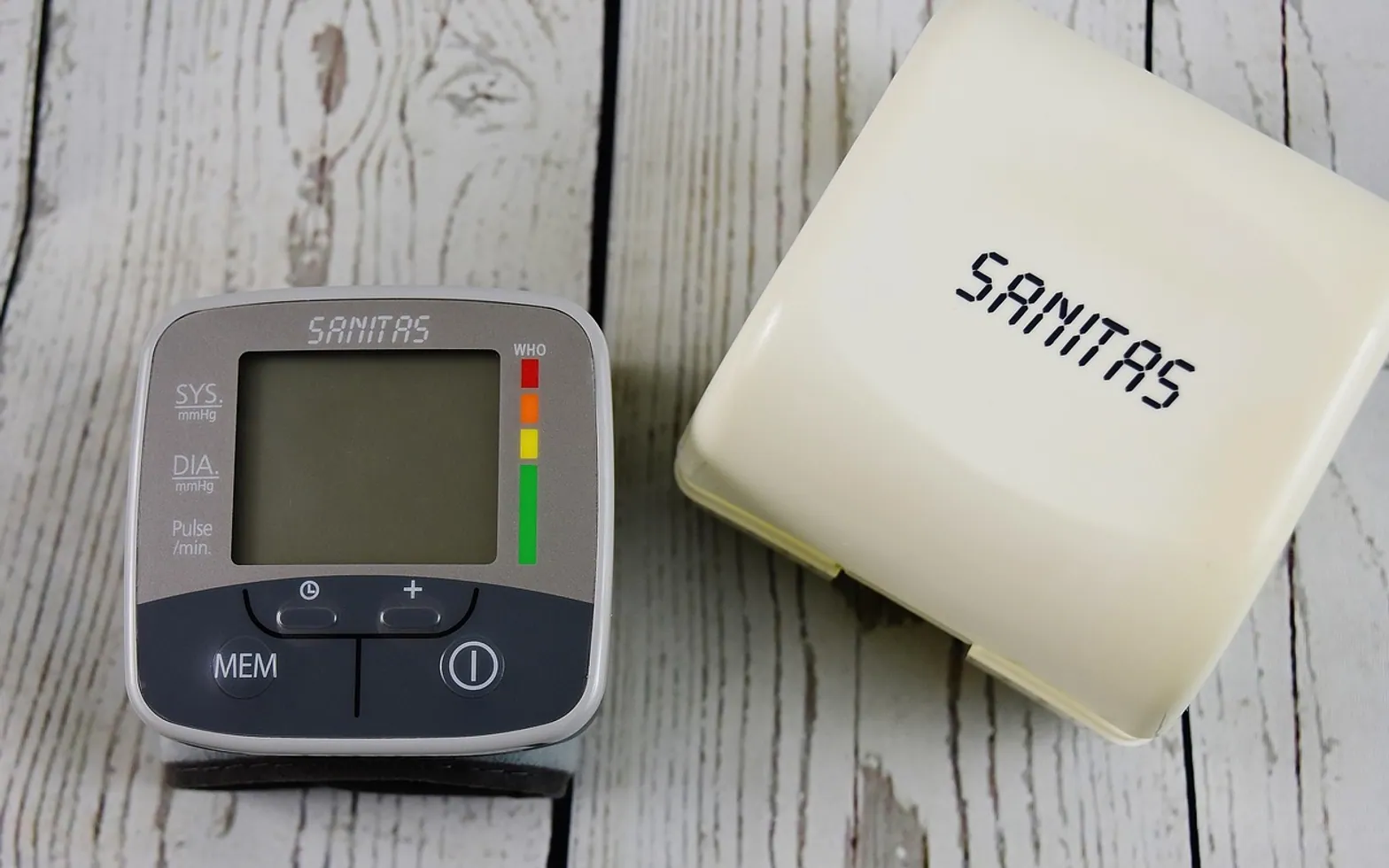
Expect questions about when the swelling started, whether it affects one or both legs, what medicines you take and any other symptoms. The GP may press on the skin to look for pitting, listen to your heart and chest, and measure your blood pressure; keeping a record with our guide to home blood pressure checks can be useful to bring along. Blood and urine tests or a scan of the leg veins may follow. If a clot is a concern, our article on preventing blood clots in the legs explains the warning signs and who is more at risk.
Quick answers
Is it normal for feet to swell on a long flight?
Mild swelling after a long flight is common and usually goes down within a day once you are moving again. Swelling in one leg that is painful or does not settle should be checked.
Does drinking less water reduce swelling?
Cutting back on fluids is not a reliable fix for everyday ankle swelling and can leave you dehydrated. If you have a heart or kidney condition, follow the specific fluid advice your care team has given you.
Small adjustments
Changes that cost a minute or less
Easy wins that are simple to keep up.
Mark the cuff
A dot of tape on the cuff shows where it sat last time, so the next reading starts the same way.
Tilt the monitor
Lowering the screen slightly lets your eyelids cover more of the eye.
Two cloths, not one
Keep a spare microfibre cloth so a clean one is always ready.
Check your bite
Lips together, teeth apart: a quick reset whenever you notice clenching.
Background reading only; your GP, pharmacist, dentist or optician can speak to your own circumstances.