Summary
Cold toes and heavy legs at the end of the day are often helped by small, regular movement, though some patterns deserve a proper look from a doctor.
The most useful things you can do for circulation in the legs are also the plainest: walk often, break up long spells of sitting, work the calf and ankle muscles, rest with your legs raised, keep your feet warm and avoid tobacco. These habits support healthy blood flow for most adults. If your legs or feet regularly feel cold, numb, painful or swollen, though, treat that as a reason to see your GP rather than a problem to solve alone, because poor circulation can be a sign of an underlying condition.
How blood travels to your feet and back
Arteries carry oxygen-rich blood from the heart down to the toes, helped by the pumping of the heart itself. The return trip is harder. Veins have to move blood upwards against gravity, and they rely on small one-way valves and on the muscles around them. Every time the calf tightens, it squeezes the deep veins and pushes blood back towards the heart. This is often called the calf muscle pump, and it explains why sitting still for hours tends to leave legs feeling heavy.
What reduced circulation can feel like
People describe it in different ways, and none of the following is specific to circulation alone:
- Feet or toes that feel cold even in a warm room
- Numbness, pins and needles or a dull ache
- Calf cramps that come on while walking and ease when you stop
- Ankles that look puffy by the evening
- Skin that looks pale, bluish or shiny, or hair loss on the lower legs
- Small cuts or sores on the feet that are slow to heal
Arteries and veins tend to cause different patterns, which can help you describe what is happening when you see a professional.
| Often linked with the arteries | Often linked with the veins | |
|---|---|---|
| Typical feeling | Cramping pain when walking that settles with rest | Heavy, aching legs that are worse after standing |
| Skin | Cool, pale, sometimes shiny | Warm, itchy, sometimes discoloured around the ankles |
| Swelling | Less common | Common, especially late in the day |
| What tends to help | Assessment first; walking programmes are often part of the plan | Movement, raising the legs and, if advised, compression |
Only a clinician can tell which is which, and some people have both.
Everyday habits that keep blood moving
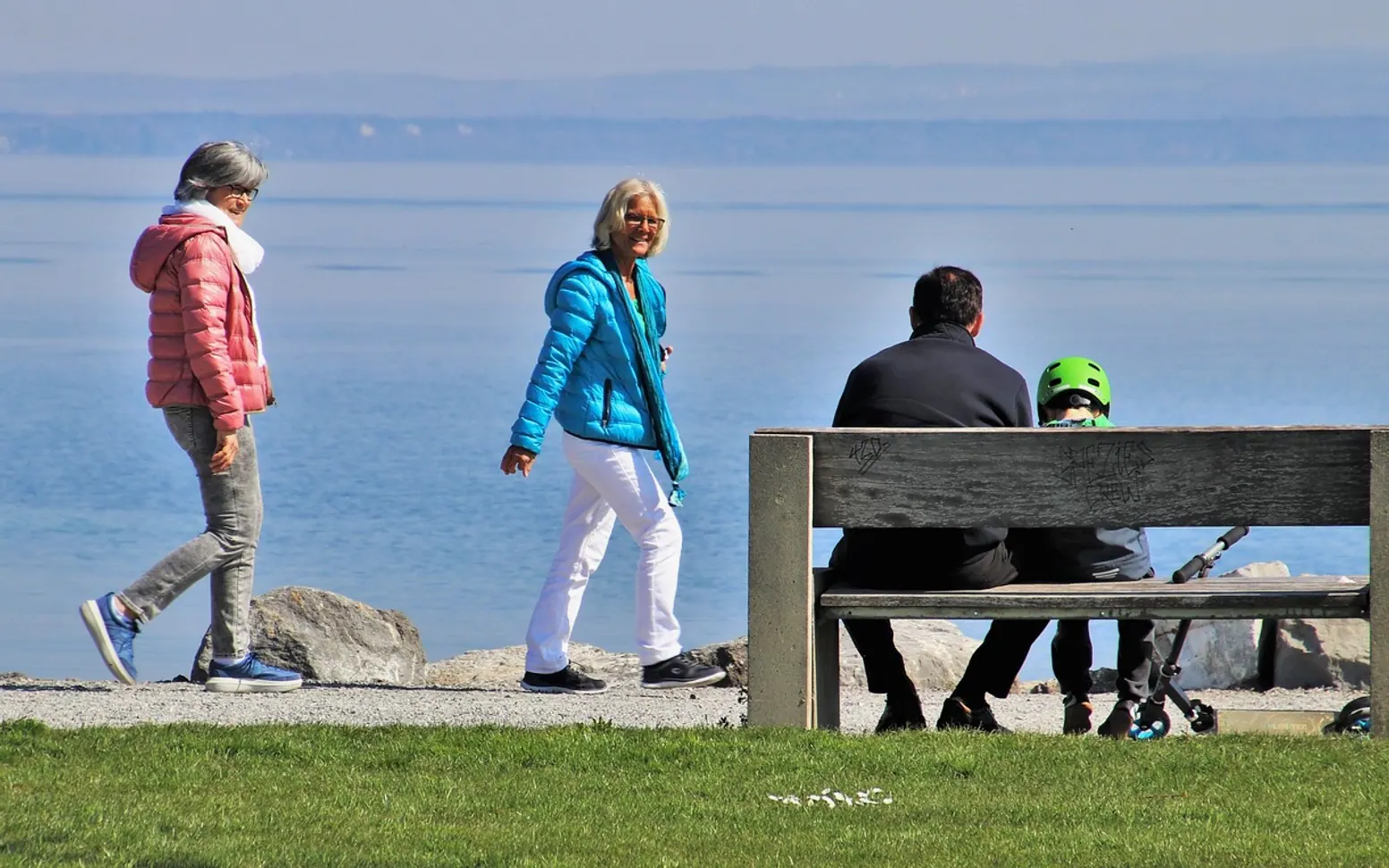
- Walk little and often. Short walks spread through the day keep the calf pump working. If walking brings on leg pain, mention it to your GP before pushing through it.
- Interrupt long sitting. Set a reminder to stand, stretch and walk a few steps at regular intervals, especially on desk days or long drives.
- Raise your legs when resting. Propping the feet on cushions so they sit above hip level for a while in the evening lets gravity help the veins.
- Choose comfortable clothing. Socks with tight tops and very snug waistbands can press on the vessels. Shoes that fit well also protect the skin of the feet.
- Keep feet warm with care. Wear warm socks and slippers, but avoid hot water bottles or heaters directly on feet that feel numb, because reduced sensation makes burns easier.
- Leave tobacco behind. Smoking damages the lining of blood vessels and is closely tied to circulation problems in the legs. A local stop-smoking service can help you plan.
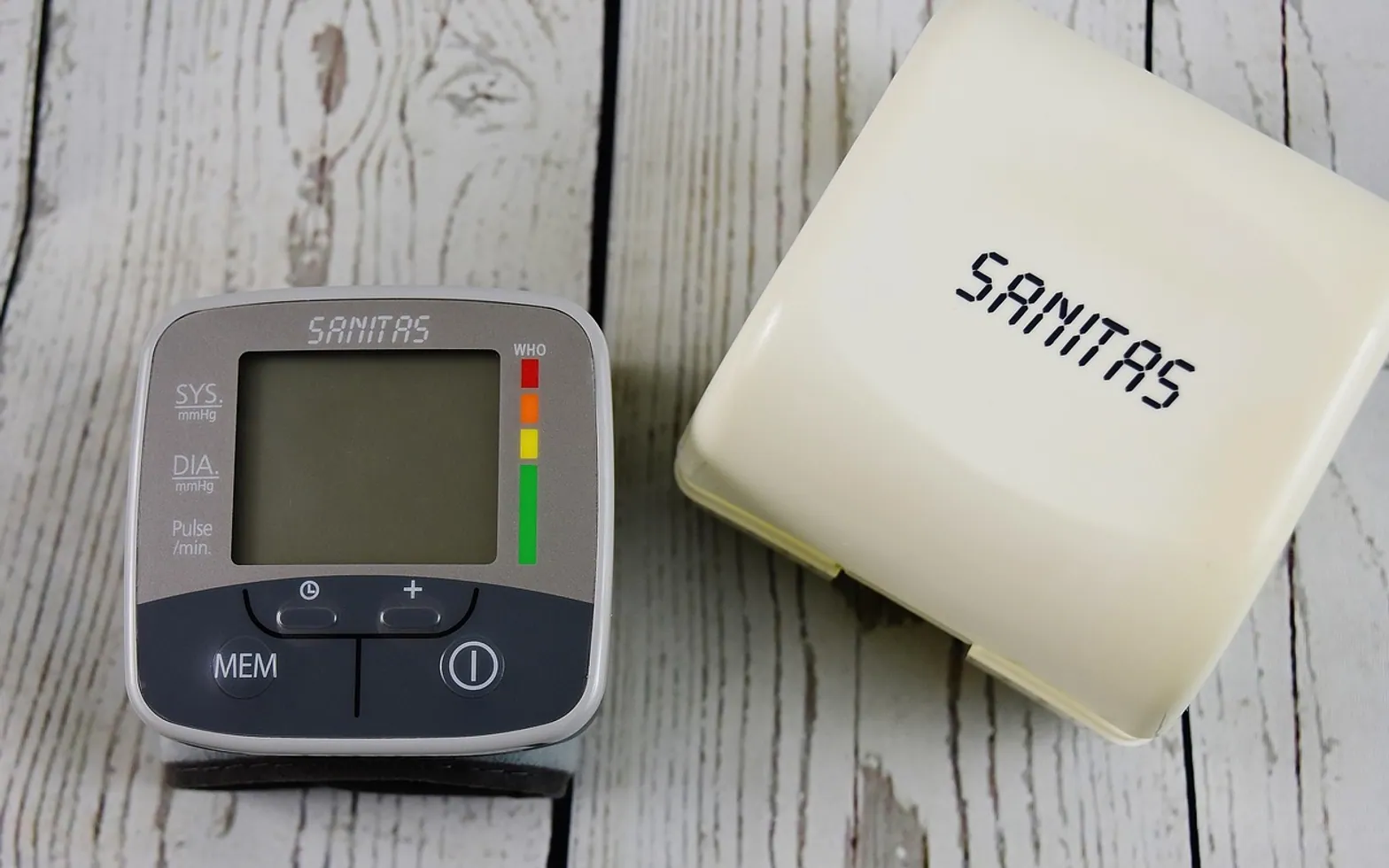
- Look after the bigger picture. Blood pressure, cholesterol, blood sugar and weight all affect the vessels. Our guide to taking your blood pressure at home is a good place to start keeping track.
A five-minute routine for desk days
- Ankle pumps. Sitting tall, point your toes away from you, then pull them back towards your shins. Repeat slowly for about a minute.
- Ankle circles. Lift one foot slightly and draw circles in each direction, then switch feet.
- Seated marching. Lift one knee, then the other, as if marching in your chair.
- Calf raises. Stand behind your chair, hold the back for balance and rise onto your toes, then lower slowly.
- A short walk. Finish with a lap of the room, the corridor or the garden.
None of these need special equipment, and they are easy to repeat several times a day. Stop if anything causes pain, dizziness or breathlessness.
Where compression socks fit in
Compression socks and stockings apply gentle pressure that is firmest at the ankle and lighter further up the leg. They can help some people with vein problems or swelling. They are not suitable for everyone: in people with reduced blood flow through the arteries, for example, they may do harm. Ask a GP, nurse or pharmacist whether they suit you and have them measured so the fit is right.
When to see a GP
Book an appointment if cold or numb feet, leg pain on walking, ongoing swelling, skin changes or slow-healing sores keep coming back. People with diabetes should mention any change in the feet promptly. A GP may check the pulses in your feet, compare blood pressure in the arms and ankles, or arrange tests; our article on modern vascular health screening explains how one of those checks works.
Seek medical help the same day if one leg suddenly becomes swollen, warm, red or painful, as this can point to a clot; our guide on preventing blood clots in the legs lists the warning signs. A leg or foot that suddenly turns cold, pale and painful is an emergency. For puffy ankles more generally, see why feet swell and when to get help.
Small adjustments
Changes that cost a minute or less
Easy wins that are simple to keep up.
Mark the cuff
A dot of tape on the cuff shows where it sat last time, so the next reading starts the same way.
Tilt the monitor
Lowering the screen slightly lets your eyelids cover more of the eye.
Two cloths, not one
Keep a spare microfibre cloth so a clean one is always ready.
Check your bite
Lips together, teeth apart: a quick reset whenever you notice clenching.
Background reading only; your GP, pharmacist, dentist or optician can speak to your own circumstances.