Summary
A blood pressure reading is really two measurements taken at different moments of each heartbeat, and each one tells a slightly different story.
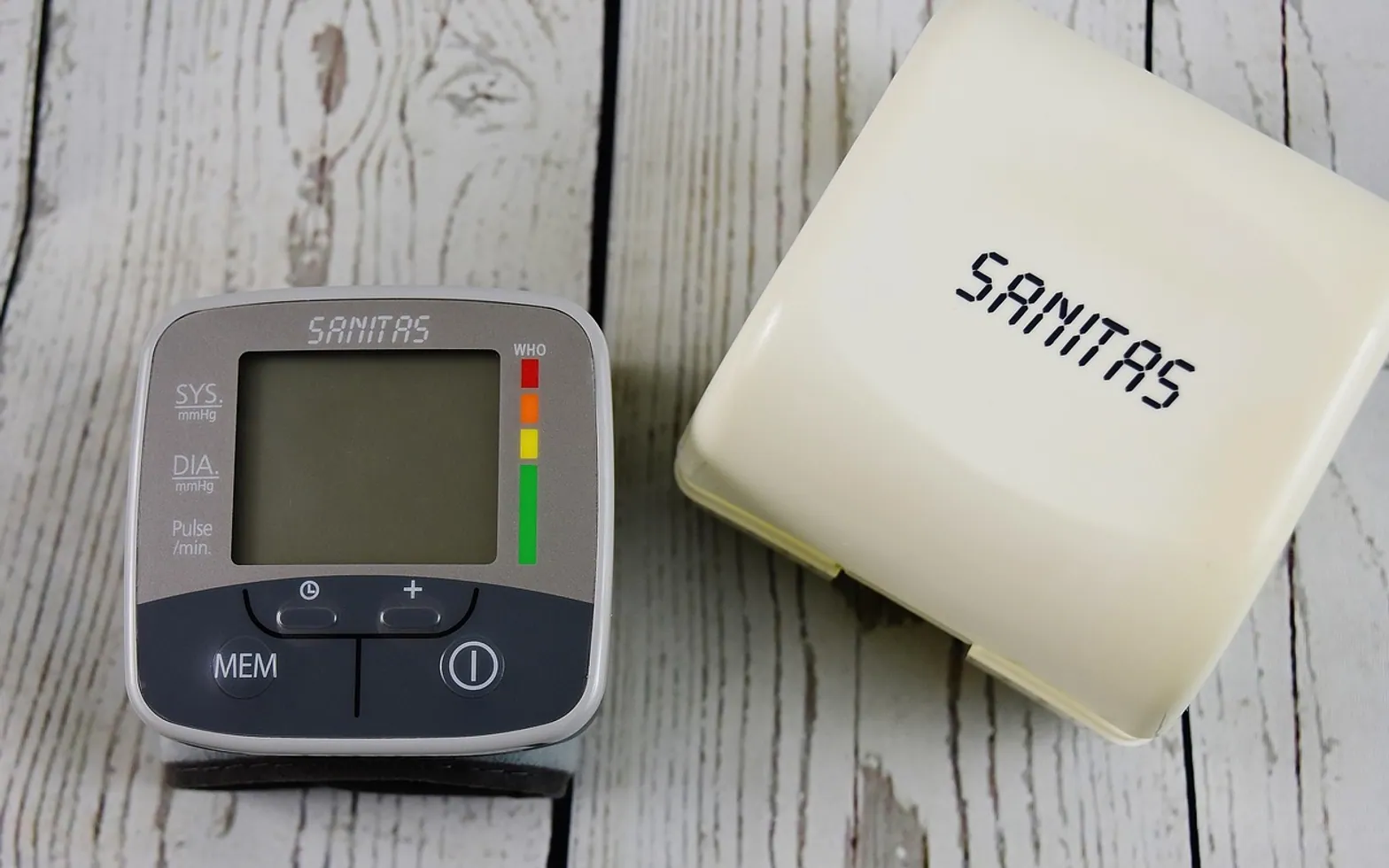
Systolic pressure is the top number in a blood pressure reading. It reflects the force in your arteries at the moment the heart contracts and pushes blood out. Diastolic pressure is the bottom number, the pressure that remains in the arteries while the heart relaxes and refills between beats. Both are measured in millimetres of mercury (mmHg), both carry meaning, and health professionals look at them together and over time rather than judging a single reading.
Two moments in every heartbeat
Each beat has a working phase and a resting phase. During the working phase, called systole, the main pumping chamber squeezes and blood surges into the large arteries. Their elastic walls stretch to absorb the surge, and pressure peaks. During the resting phase, diastole, the heart fills up again. The arteries recoil, keeping blood moving forward, and pressure falls to its lowest point before the next beat begins.
The unit mmHg dates back to early instruments that measured pressure by how far it could push a column of mercury. Modern digital monitors no longer contain mercury, but the unit stayed.
Reading the fraction
A reading written as 130/85, for instance, is said aloud as "130 over 85". The first figure is systolic and the second is diastolic. The numbers in that example are only there to show the format; they are not a goal or a benchmark.
| Systolic | Diastolic | |
|---|---|---|
| Position in the reading | Top or first number | Bottom or second number |
| Phase of the heartbeat | Heart contracting | Heart relaxing and refilling |
| What it largely reflects | The push from the heart and how stiff the large arteries are | Resistance in the smaller blood vessels |
| Typical change with age | Tends to rise as arteries stiffen | Often levels off or falls in later life |
When the two numbers do not move together
A raised top number on its own
As the large arteries lose some of their stretch with age, they cushion each surge less well and the systolic figure climbs, while the diastolic one may stay the same or even fall. A raised systolic reading with a normal diastolic one is therefore particularly common in older adults. It is still treated as meaningful and is not dismissed as "just age".
A raised bottom number
A higher diastolic reading with a normal or near-normal systolic one tends to be noticed more often in younger adults. It deserves the same attention, as it may be an early sign of a pressure problem developing.
A low bottom number
A diastolic reading below the range your GP has discussed can have several explanations, from medicines and dehydration to the way the heart valves close. If it comes with dizziness, fainting or unusual tiredness, mention it promptly.
What pulse pressure means
The gap between the two numbers is called pulse pressure. Clinicians sometimes take note of it because a wide gap can reflect stiff arteries, while a very narrow one can occur in certain heart conditions. It is a detail for a professional to interpret alongside everything else, not something to calculate and worry over at home.
Which number matters more?
Both do. In people over middle age, the systolic number often gets more attention because of its close link with the stiffness of the arteries. Guidelines set separate ranges for each number, and a reading can be considered raised if either one sits above its range. Those ranges vary a little between countries and are reviewed from time to time, which is why the clearest answer about your own readings will come from your GP or practice nurse.
Getting numbers you can trust
A single reading can be nudged up by coffee, a full bladder, a brisk walk, a cold room, pain, talking or simple nerves at the surgery. Repeated readings taken the same careful way give a far better picture. Our step-by-step guide to taking your blood pressure at home explains cuff size, posture and how to keep a log your GP can use.
Questions worth bringing to an appointment
- Which of my two numbers concerns you more, and why?
- What range would you like each number to sit in for me?
- How often should I measure at home, and at what times of day?
- Could any of my medicines be affecting the readings?
- Would any further checks, such as a look at the blood vessels, be useful?
For an idea of what those vessel checks can involve, see our explainer on vascular health screening. Ankle swelling is another thing people sometimes raise in the same conversation; our article on why feet swell covers when that matters.
When not to wait
Do not sit on a reading that is far above or below your usual pattern if it arrives alongside chest pain, breathlessness, a sudden severe headache, confusion, fainting, weakness or numbness on one side of the body, or difficulty speaking or seeing. Call your local emergency number. Without symptoms, rest quietly, repeat the measurement after a few minutes and contact your GP or an out-of-hours service for advice if it stays unusual.
Small adjustments
Changes that cost a minute or less
Easy wins that are simple to keep up.
Mark the cuff
A dot of tape on the cuff shows where it sat last time, so the next reading starts the same way.
Tilt the monitor
Lowering the screen slightly lets your eyelids cover more of the eye.
Two cloths, not one
Keep a spare microfibre cloth so a clean one is always ready.
Check your bite
Lips together, teeth apart: a quick reset whenever you notice clenching.
Background reading only; your GP, pharmacist, dentist or optician can speak to your own circumstances.