Summary
A fluoride treatment takes a few minutes at the end of a check-up. It puts a stronger dose of fluoride on the enamel than toothpaste can, and it is not only for children.
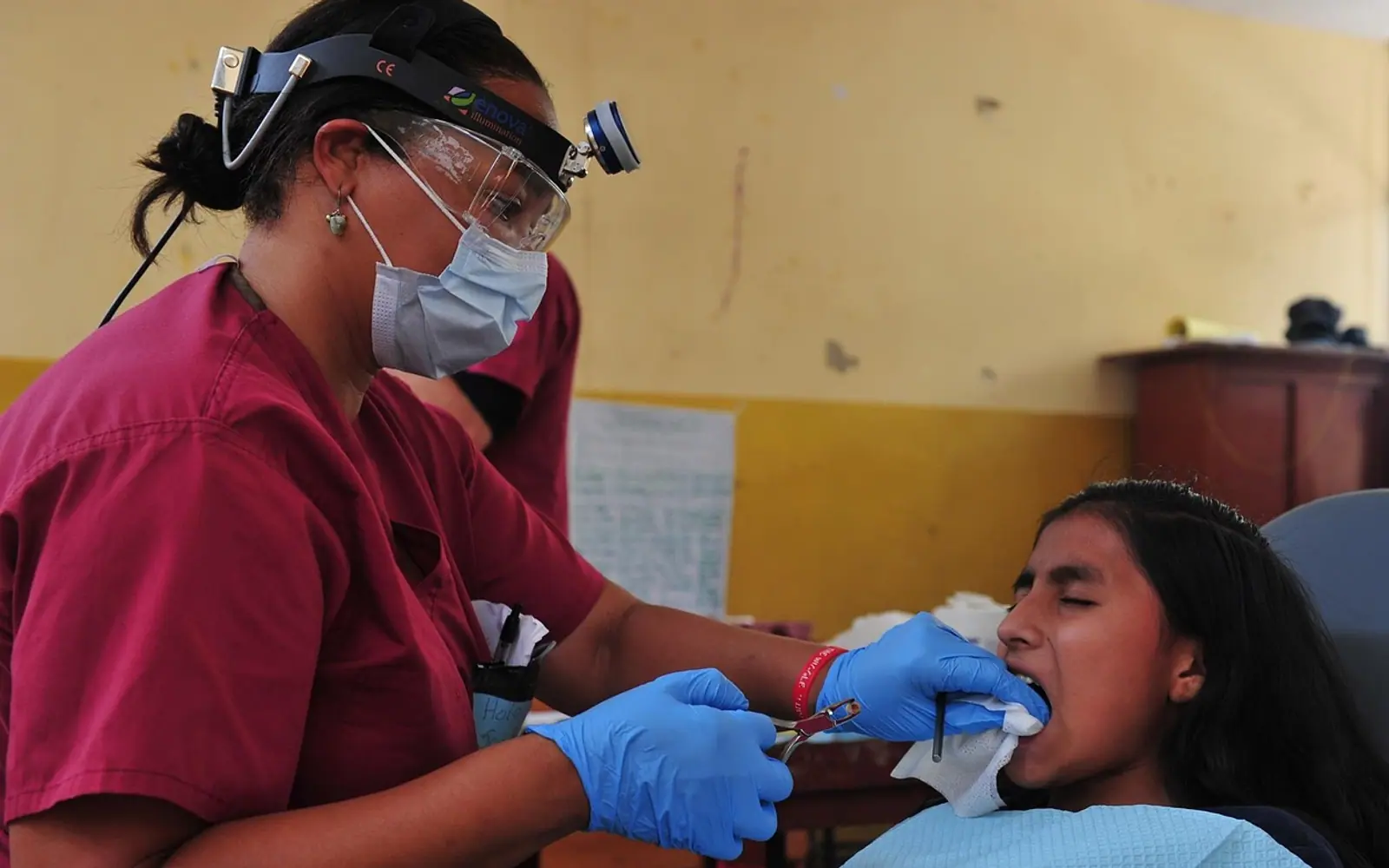
A fluoride treatment is a quick dental procedure in which a concentrated fluoride product, most often a varnish, is applied to the teeth to help harden the enamel and slow early decay. It usually takes only a few minutes and is painless. Children are the most common patients, but dentists also offer it to adults whose teeth are at higher risk, such as people with a dry mouth, exposed roots or several recent fillings. Whether you need one depends on your own mouth, and your dental team is best placed to judge that.
How fluoride protects teeth
Enamel is constantly losing and regaining minerals. After you eat or drink something sugary or acidic, bacteria and acids draw minerals out of the surface. Saliva then helps put some back. Fluoride supports the rebuilding side of that cycle: it helps form a harder, more acid-resistant surface and can help repair very early, chalky patches before they become a cavity. Everyday habits that support the same process are covered in our guide to strengthening teeth and protecting enamel.
Toothpaste delivers a small amount of fluoride twice a day. A professional treatment delivers a much stronger dose in one go, held against the teeth long enough to be taken up by the surface.
The main types
| Type | How it is applied | Typical use |
|---|---|---|
| Varnish | Painted on with a small brush; sets quickly on contact with saliva | The most common choice for children and adults |
| Gel or foam | Held against the teeth in a soft tray for a few minutes | Used in some practices, mostly for older children and adults |
| Prescription toothpaste or rinse | Used at home, as directed by the dentist | Ongoing support for people at higher risk of decay |
What happens in the chair
- The teeth are cleaned or at least dried, often straight after a check-up or scale and polish.
- The dentist or hygienist paints a thin layer of varnish over the teeth, or places a filled tray in the mouth.
- Varnish sets almost immediately. It may feel slightly sticky or coat the teeth with a faint yellowish film.
- With trays, you sit for a few minutes and are asked to spit rather than swallow.
There are no needles and no drilling. The most common complaint is the taste.
Aftercare
Instructions vary between products, so follow what your dental team tells you. Common advice after varnish includes:
- Avoid hot drinks and hard or crunchy food for a few hours.
- Stick to soft food and cool drinks until the advised time has passed.
- Wait before brushing, often until that evening or the next morning, so the varnish stays on as long as possible.
The film wears off with normal brushing.
Who is usually offered a fluoride treatment?
Children are offered it regularly in many countries, because new teeth are still maturing. For adults, dentists tend to look at risk factors rather than age. These include:
- A dry mouth, which can come with some medicines and certain health conditions, since saliva normally protects teeth.
- Receding gums that leave root surfaces exposed. Roots have no enamel covering and decay more easily. Signs of gum changes are described in what healthy gums look like.
- Braces or other appliances that make cleaning harder.
- Frequent new fillings or early chalky spots found at check-ups.
- Heavy buildup along the gumline. How soft plaque hardens into tartar is explained in plaque vs tartar.
- Sensitive teeth, where fluoride varnish may be used to calm exposed areas.
If none of these apply and your check-ups are steady, a dentist may feel that fluoride toothpaste alone is enough.
Common questions
Is a fluoride treatment safe?
Professional products are measured and applied in small amounts by trained staff. Side effects are uncommon and usually mild, such as a passing upset stomach if some is swallowed. Tell your dentist about any allergies, as some varnishes contain ingredients that certain people need to avoid.
How often is it done?
Your dental team will suggest a schedule based on your risk. For some people it is part of every check-up; for others it is occasional or not needed.
Can fluoride reverse a cavity?
It can help very early, chalky changes to harden again. Once a true hole has formed in the tooth, it cannot grow back, and a filling or other repair is usually needed.
Does it replace brushing?
No. Brushing twice a day with fluoride toothpaste, cleaning between the teeth and cutting down on frequent sugary snacks remain the foundation. A treatment adds to that routine.
Talking it through with your dentist
If you are unsure whether a fluoride treatment suits you, ask at your next visit what your own risk looks like and what the treatment would add. This article is general information and does not replace advice from your dentist or doctor.
Small adjustments
Changes that cost a minute or less
Easy wins that are simple to keep up.
Mark the cuff
A dot of tape on the cuff shows where it sat last time, so the next reading starts the same way.
Tilt the monitor
Lowering the screen slightly lets your eyelids cover more of the eye.
Two cloths, not one
Keep a spare microfibre cloth so a clean one is always ready.
Check your bite
Lips together, teeth apart: a quick reset whenever you notice clenching.
Background reading only; your GP, pharmacist, dentist or optician can speak to your own circumstances.