Summary
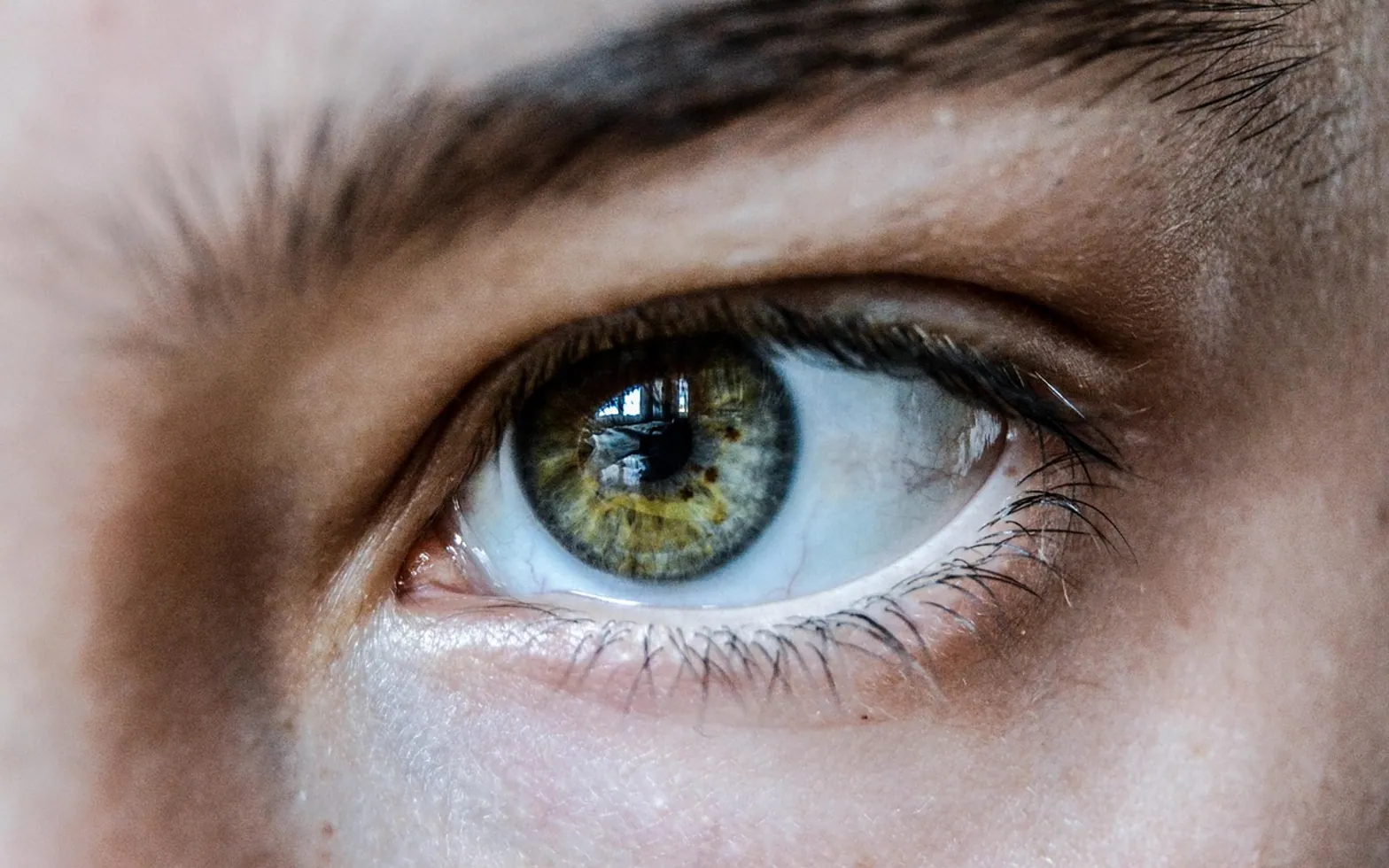
A sight test is about more than reading letters off a chart; it is also one of the few chances to look directly at blood vessels and nerves inside the body.
A routine eye exam checks two things: how clearly you see, and how healthy your eyes are. Expect a few questions, a letter chart, a series of lens comparisons to fine-tune any prescription, a close look at the front and back of each eye and often a pressure check. Sometimes drops are used to widen the pupils. For adults with no symptoms, a test every one to two years is a common rhythm, but your optometrist may suggest a different interval depending on your age, health and family history.
Before you go
- Take your current glasses, and your contact lenses or their packaging if you wear them
- Bring a list of medicines and any health conditions, especially diabetes or high blood pressure
- Find out whether close relatives have had glaucoma or macular degeneration
- Note any symptoms: headaches, blurred patches, floaters, glare when driving at night
- Pack sunglasses and plan not to drive afterwards in case your pupils are dilated
The exam, step by step
- A short conversation. The optometrist asks about your eyes, general health, work and screen use, and anything that has changed since last time.
- Reading the chart. You read letters at a distance and up close, one eye at a time. This measures visual acuity, how sharply each eye sees.
- Refraction. Lenses are swapped in front of your eyes while you say which looks clearer. Some practices begin with an automated reading. There are no wrong answers; if two options look the same, say so.
- Eye movement and coordination. You follow a target with your eyes and the optometrist checks how well the two eyes work as a team.
- Front of the eye. A microscope with a bright light, called a slit lamp, is used to look at the lids, lashes, cornea and lens.
- Eye pressure. This is measured with a quick puff of air or a gentle probe after numbing drops. Raised pressure can be one sign of glaucoma.
- Back of the eye. The retina, optic nerve and blood vessels are examined with a light and lens. Many practices also take photographs or a detailed scan.
- Visual fields. In some exams you click a button whenever you see small lights appear at the edge of your vision.
Tests at a glance
| Test | What it looks for | What it feels like |
|---|---|---|
| Letter chart | Sharpness of vision in each eye | Reading lines of shrinking letters |
| Refraction | The lens power you need | Comparing "one or two" through different lenses |
| Slit lamp | Health of the eyelids, cornea and lens | Resting your chin while a bright light shines in |
| Pressure test | Signs that may point to glaucoma | A brief puff of air or a light touch after drops |
| Retinal check | Retina, optic nerve and blood vessels | Bright light or a camera flash |
| Visual fields | Gaps in side vision | Pressing a button when lights appear |
What a dilated exam is like
Dilating drops widen the pupils so the optometrist or eye doctor can see more of the retina. They may sting briefly and take a little while to work. Afterwards, close-up vision can be blurry and bright light uncomfortable for a few hours. Bring sunglasses, avoid driving until your vision is back to normal and leave detailed screen work for later in the day.
How often to book
The right interval depends on your situation, so treat these as general patterns rather than rules:
- Adults with no symptoms and no particular risks: commonly every one to two years.
- Children: early checks are important because children rarely notice or report poor sight. Ask your optometrist or child health service about timing.
- People with diabetes: usually need regular retinal checks, often yearly, in addition to sight tests.
- A family history of glaucoma, or getting older: more frequent checks may be advised.
- Contact lens wearers: need regular aftercare appointments to check the fit and the health of the front of the eye.
Optometrist, optician or ophthalmologist?
An optometrist performs eye exams, prescribes glasses and contact lenses and checks for signs of eye disease. A dispensing optician fits and adjusts glasses but does not usually test eyes. An ophthalmologist is a medical doctor who specialises in eye conditions and surgery, usually seen by referral. In everyday speech, "optician" is often used for the shop or practice where you have your test.
Do not wait for the next routine slot if
- Your vision changes suddenly, or you see a shadow across part of it
- New floaters or flashes of light appear; see our guide to eye floaters
- An eye becomes painful, very red or sensitive to light
- You have double vision that is new
After the exam
You should receive a copy of your prescription if one was issued. Our explainer on reading an eye prescription breaks down each box. If screens leave your eyes tired between tests, the steps in our guide to reducing eye strain are a good next read.
Small adjustments
Changes that cost a minute or less
Easy wins that are simple to keep up.
Mark the cuff
A dot of tape on the cuff shows where it sat last time, so the next reading starts the same way.
Tilt the monitor
Lowering the screen slightly lets your eyelids cover more of the eye.
Two cloths, not one
Keep a spare microfibre cloth so a clean one is always ready.
Check your bite
Lips together, teeth apart: a quick reset whenever you notice clenching.
Background reading only; your GP, pharmacist, dentist or optician can speak to your own circumstances.