Summary
The pointed teeth at the corners of your smile have a nickname, an unusually long root and a bigger job in your bite than most people realise.
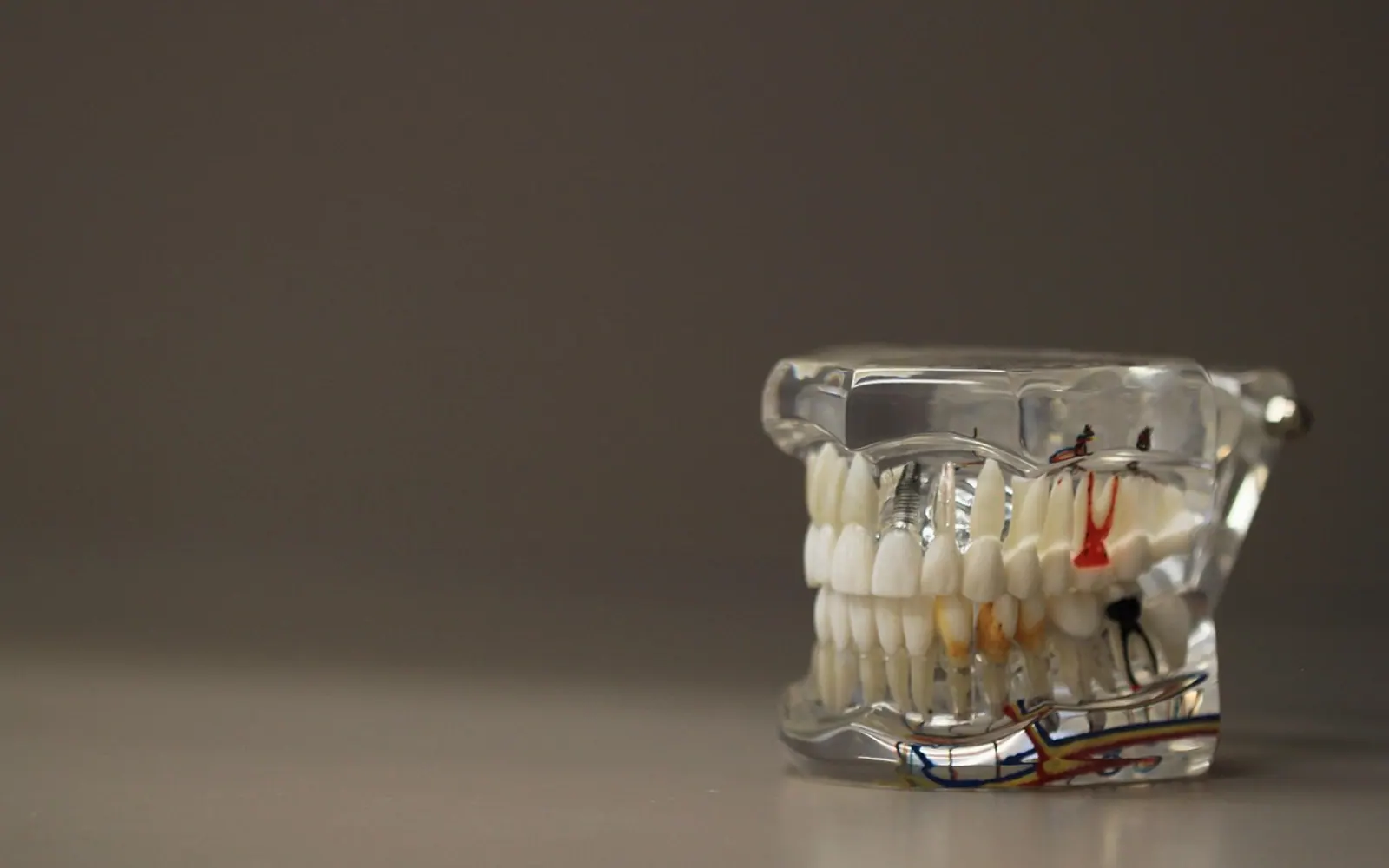
"Eye teeth" is the everyday name for the upper canines: the two long, pointed teeth at the corners of the upper front teeth, sitting roughly below each eye. Dentists usually call them canines or cuspids. The lower jaw has a matching pair, so a full adult mouth holds four canines in total, and each one does more work than its size suggests.
Where the name comes from
The nickname is about position, nothing more. Look in a mirror and the upper canines line up more or less beneath the pupils. Their roots are also the longest of any tooth in the mouth, reaching high into the upper jaw, which may be why older generations imagined a link with the eyes. There is no special connection between these teeth and your eyesight, and having one treated or removed does not affect vision.
How canines fit among the other teeth
Each type of tooth has a shape suited to a particular job. Canines sit at the turning point of the dental arch, where the flat front teeth give way to the broader chewing teeth at the back.
| Tooth type | In a full adult set | Main job |
|---|---|---|
| Incisors | 8 | Biting into and cutting food |
| Canines (eye teeth in the upper jaw) | 4 | Gripping and tearing, guiding the bite |
| Premolars | 8 | Crushing and starting to grind |
| Molars, including wisdom teeth | 12 | Grinding food into small pieces |
Children have a smaller set of baby teeth that includes four canines but no premolars. The adult canines form in the jaw above and below the baby ones and push them out when their time comes.
What eye teeth actually do
- Grip and tear. The pointed tip and strong root make canines well suited to tougher foods such as crusty bread or raw vegetables.
- Guide the jaw. In many people, when the lower jaw slides to one side, the canines meet first and lift the back teeth slightly apart. Dentists call this canine guidance, and it helps spread sideways forces away from the molars.
- Shape the smile. The canines form the corners of the smile and help support the lips and cheeks, so their position affects how the face looks at rest.
- Anchor dental work. Because the root is long and sturdy, a canine is often a useful support when a dentist plans a bridge or a partial denture.
When they come through
Baby canines usually appear during the second year of life, after the first front teeth and often around the same time as the first baby molars. Teething discomfort at this stage is common.
The adult upper canines tend to be among the later teeth to arrive, often around the age of eleven or twelve, though the timing varies a lot between children. Because they travel a long way down from high in the jaw, they are more likely than most teeth to get stuck on the way.
Problems worth a dental check
Canines that do not come through
After wisdom teeth, upper canines are among the teeth most often impacted, meaning they stay trapped in the bone or come in at an awkward angle. A dentist may notice a missing bulge in the gum or a baby canine that stays put for longer than expected and arrange an X-ray. Depending on the position, the plan might involve orthodontic treatment, sometimes with a small procedure to uncover the tooth so a brace can guide it into place. Early assessment tends to give more options.
Flattened or chipped tips
Because canines meet when the jaw moves sideways, they show wear early in people who clench or grind. Sharp points that have turned flat or glassy are a common clue. A dentist can look at the wear and talk through whether a night guard would help.
Gum pulling back over the root
The canine root makes a ridge in the bone, and the gum covering it is often thin. Scrubbing hard with a stiff brush can wear that gum back and expose part of the root, which may feel sensitive. Our article on what healthy gums look like explains what to watch for.
A canine that is lost
When a canine cannot be saved, the gap is usually worth filling because of the tooth's role in the bite. The common options are compared in our piece on dental implants versus bridges.
Looking after them day to day
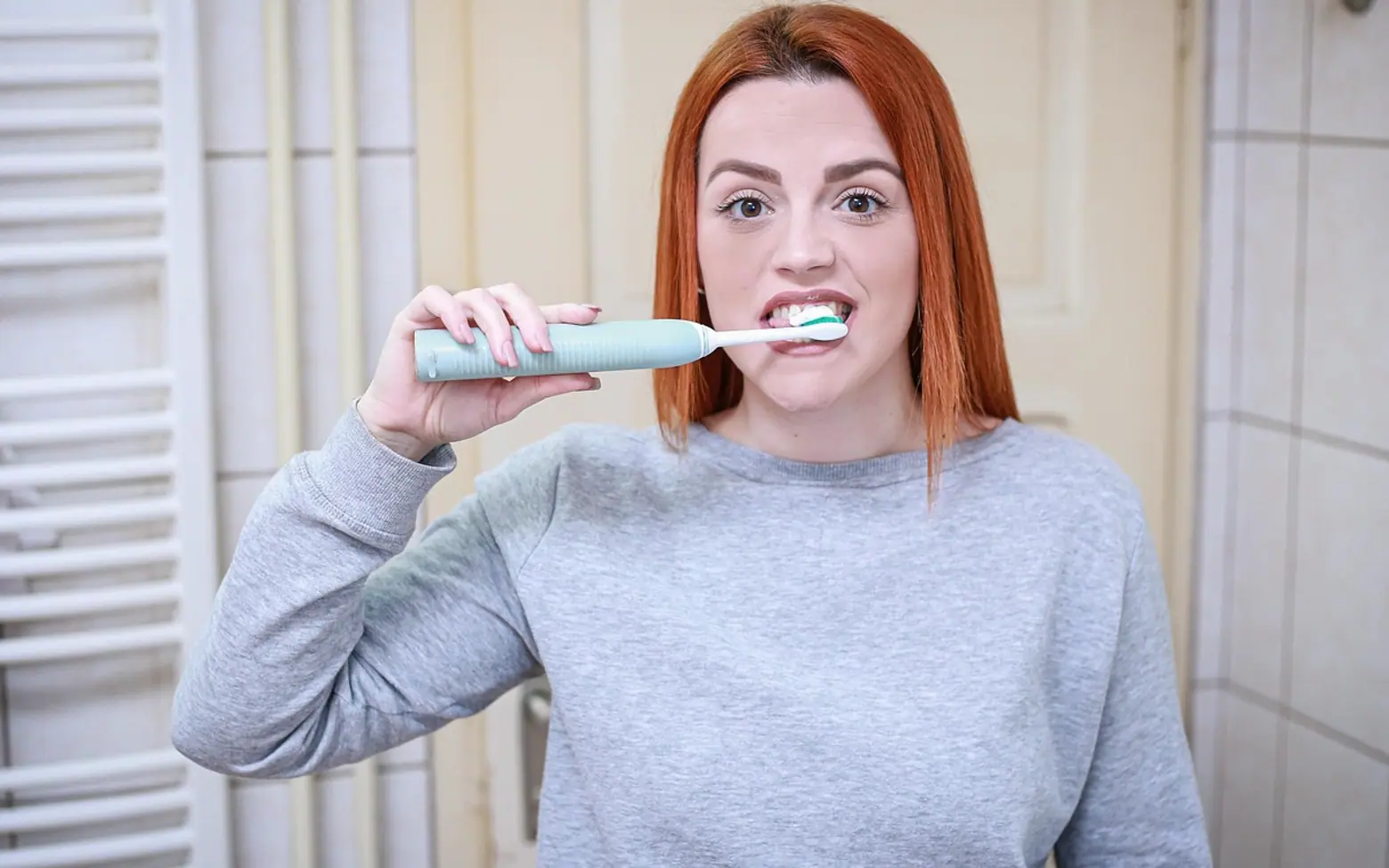
The curve of the arch means a toothbrush often skims past the canines instead of cleaning them properly. A few small adjustments help:
- Turn the brush head so it follows the corner rather than sweeping straight across it.
- Use gentle pressure and small movements, especially near the gumline over the root.
- Clean between the canine and its neighbours with floss or a small interdental brush.
- Avoid using the pointed tips to open packets, bite thread or crack shells.
- Mention any new sensitivity, wear or movement at your next dental visit.
Questions people often ask
Are eye teeth the same as fangs?
"Fangs" is an informal word some people use for prominent canines. In dental terms, they are simply canines. Teeth that look especially long or pointed are usually a normal variation, and a dentist can talk through gentle reshaping or bonding if their appearance bothers you.
Do baby canines matter if they fall out anyway?
Yes. Baby teeth hold space for the adult teeth developing underneath, and losing one early through decay can let neighbouring teeth drift into the gap. Keeping them clean until they loosen naturally makes the later changeover smoother.
Is it a bad idea to have an eye tooth taken out?
Dentists generally work hard to keep canines because of their long roots and their part in guiding the bite. Removal does sometimes form part of a wider orthodontic plan, and in that case the reasons should be explained clearly before anything is decided.
Small adjustments
Changes that cost a minute or less
Easy wins that are simple to keep up.
Mark the cuff
A dot of tape on the cuff shows where it sat last time, so the next reading starts the same way.
Tilt the monitor
Lowering the screen slightly lets your eyelids cover more of the eye.
Two cloths, not one
Keep a spare microfibre cloth so a clean one is always ready.
Check your bite
Lips together, teeth apart: a quick reset whenever you notice clenching.
Background reading only; your GP, pharmacist, dentist or optician can speak to your own circumstances.