Summary
Ask former smokers what surprised them most after moving to a vape and the answers are rarely about technology. They talk about coats that no longer smell of smoke, a car that…

Ask former smokers what surprised them most after moving to a vape and the answers are rarely about technology. They talk about coats that no longer smell of smoke, a car that feels fresher and not having to step outside in the rain every couple of hours. The case for e-liquids over cigarettes is partly about health and partly about these everyday details, and both are worth looking at with clear eyes.
The health picture, stated carefully
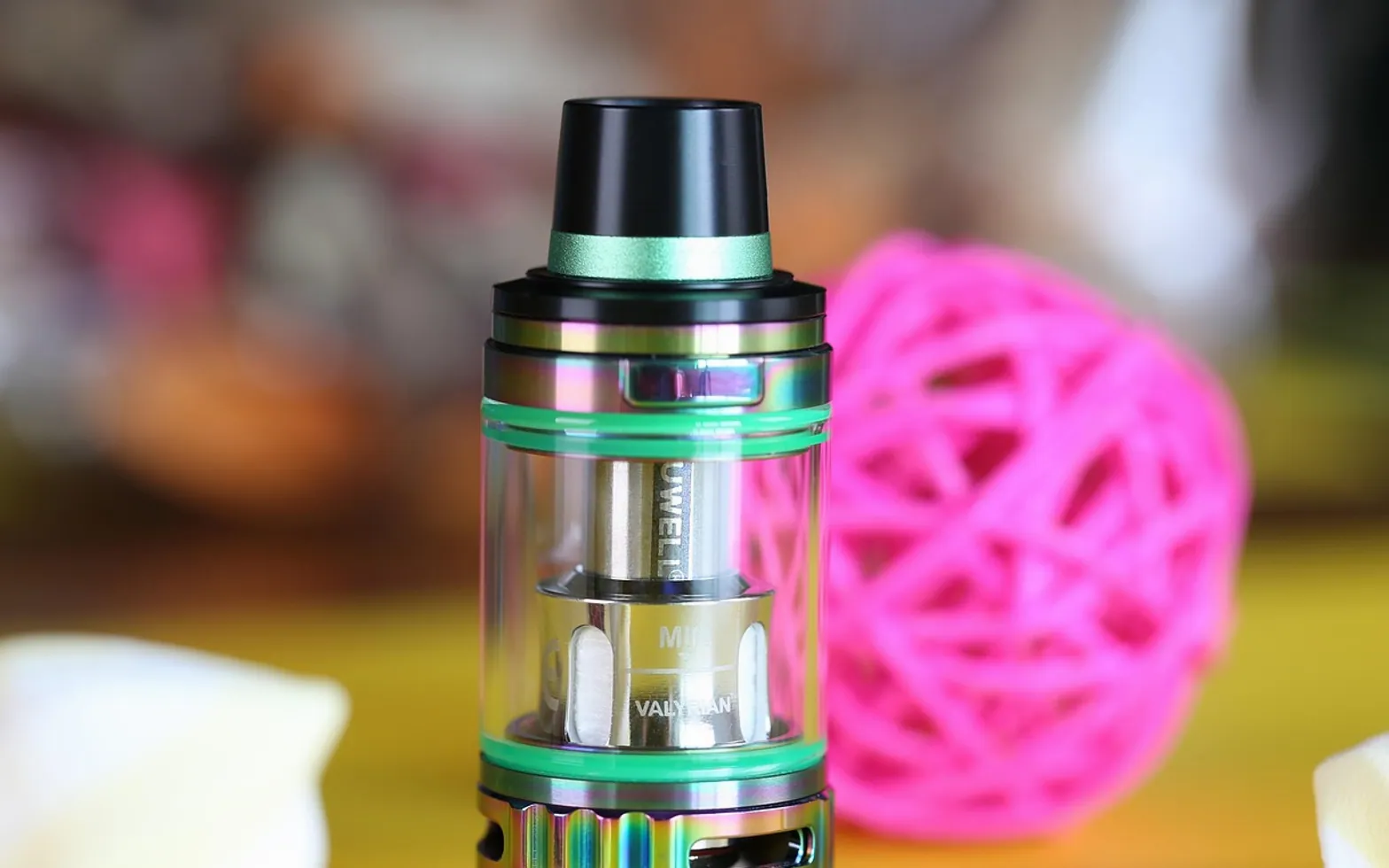
Cigarettes do most of their damage through burning. Lighting tobacco releases tar, carbon monoxide and many other toxic by-products into each breath. A vape heats a liquid, usually containing nicotine, flavourings, propylene glycol and vegetable glycerine, into an aerosol without combustion. Public health organisations in the UK broadly agree that, for a smoker who stops cigarettes altogether, switching to vaping substantially lowers the harm.
Less harmful is not the same as harmless. Nicotine is addictive, long-term effects are still being studied and nobody who has never smoked, and no young person, should pick up a vape. The benefit applies to adults who use it to replace cigarettes entirely, not to dual use.
Day-to-day differences people notice
| Area | Smoking cigarettes | Vaping e-liquids |
|---|---|---|
| Lingering smell | Clings to hair, clothes, furniture | Vapour clears quickly and smells far milder |
| Breath | Stale smoke odour | Usually fresher, often taking on a hint of the flavour |
| Routine | Lighters, ashtrays, cigarette breaks | Charge the device and refill or swap a pod |
| Running costs | A pack at a time, adding up quickly | An upfront kit, then mainly liquid and coils |
Family members often notice the change in smell before the person who switched does. That can make home life easier, though it is still courteous to vape away from children and to respect places where vaping is not allowed.
Choosing liquids that make switching stick
Finding a liquid you genuinely enjoy is one of the things that helps adults stay away from cigarettes. Flavour, nicotine strength and the type of nicotine all affect how satisfying a vape feels. A UK specialist retailer such as http://www.eliquiduk.com offers a broad range of e-liquids across flavour profiles and strengths, which makes it easier to experiment until something feels right. Many people start with a tobacco or menthol profile that feels familiar and later move to fruit or dessert flavours.
Buy from reputable sellers, check that products meet UK rules, and store bottles closed and somewhere children and animals cannot reach.
Practical steps for adult smokers
- Set a date to switch fully rather than mixing cigarettes and vaping long term.
- Ask a vape shop or pharmacist to help match a device and nicotine strength to how much you currently smoke.
- Keep a spare charged device or pod for the first few weeks, when cravings are strongest.
- Think about whether you would eventually like to reduce nicotine, and plan that gradually.
Local stop smoking services can provide free advice and combine vaping with behavioural support, which many people find makes a real difference. Anyone expecting a baby, living with heart or lung disease or on long-term prescriptions should check with their doctor first.
Small adjustments
Changes that cost a minute or less
Easy wins that are simple to keep up.
Mark the cuff
A dot of tape on the cuff shows where it sat last time, so the next reading starts the same way.
Tilt the monitor
Lowering the screen slightly lets your eyelids cover more of the eye.
Two cloths, not one
Keep a spare microfibre cloth so a clean one is always ready.
Check your bite
Lips together, teeth apart: a quick reset whenever you notice clenching.
Background reading only; your GP, pharmacist, dentist or optician can speak to your own circumstances.