Summary
A home monitor can give your GP a far fuller picture than one rushed reading at the surgery, as long as the cuff fits and the routine stays the same each time.

A single reading taken in a busy waiting room tells only a small part of the story. Many people feel tense at appointments, walk in from a cold car park or have just climbed a flight of stairs, and all of that can nudge the numbers. Measuring at home, in a quiet chair and at a regular hour, gives a steadier picture that you can take along to your next check-up.
This guide is about technique, not interpretation. What your own readings mean depends on your age, your history and any medicines you take, so the meaning belongs with your GP or practice nurse. What you can control is how carefully each number is collected.
What the two numbers describe
A blood pressure reading is written as two figures, one above the other. The upper figure, called systolic pressure, reflects the push in your arteries when the heart contracts. The lower figure, diastolic pressure, reflects the pressure while the heart relaxes between beats. Most home monitors also display a pulse rate, which is a separate measurement; your GP or nurse can explain how it fits alongside the other two.
Choosing a monitor that suits you
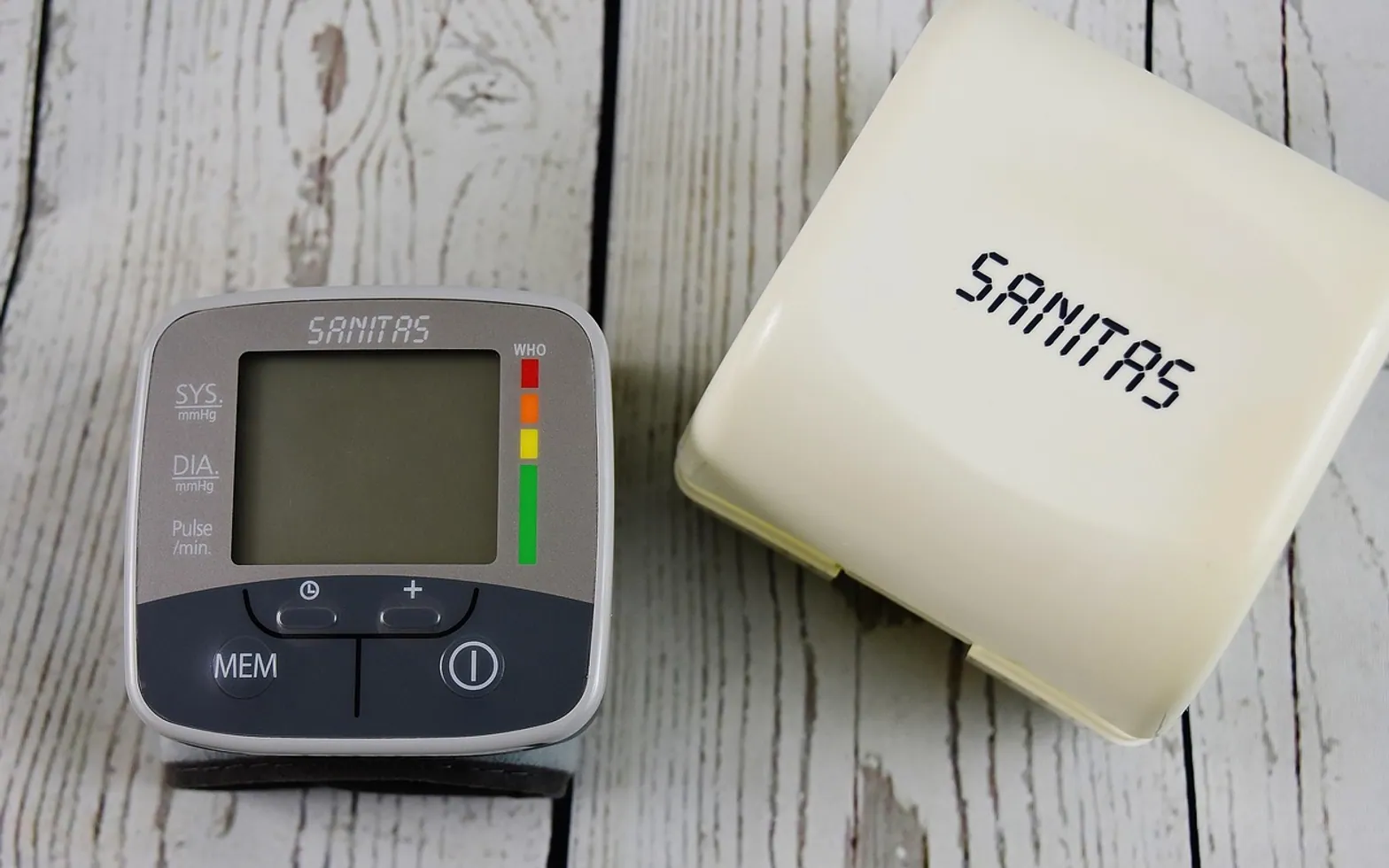
Automatic monitors with a cuff that wraps around the upper arm are the type most clinics recommend for home use. Wrist and finger devices exist, but they are more sensitive to how you hold your hand and are harder to use consistently.
- Look for a validated device. Several independent organisations publish lists of monitors that have been tested for accuracy. A pharmacist can point you towards them.
- Get the cuff size right. A cuff that is too small tends to give readings that are too high, and one that is too loose can do the opposite. Measure around the middle of your upper arm and compare it with the range printed on the cuff.
- Keep it simple. A large display and one main button matter more than an app or a long list of features.
Before you start
Small things in the half hour before a reading can push it up for a while. Try to take each measurement when you have not just had coffee or tea, smoked, exercised or eaten a large meal. Empty your bladder first, because a full one can make a difference too.
Then sit down in a chair with a back, in a quiet room, and rest for about five minutes without talking, scrolling or watching anything gripping. That short pause is easy to skip and is one of the most useful parts of the whole routine.
Step by step
- Sit well. Keep your back supported, both feet flat on the floor and your legs uncrossed.
- Bare the arm. Roll the sleeve up loosely or take it off. A tight sleeve bunched above the cuff can squeeze the arm.
- Position the cuff. Wrap it snugly around the upper arm with its lower edge a little above the crease of the elbow. The marker on the cuff usually lines up with the inner side of the arm.
- Support the arm at heart height. Rest it on a table or a cushion with the palm facing up and the muscles relaxed.
- Stay still and quiet. Press start and do not talk or move while the cuff inflates and releases.
- Repeat once. Wait a minute or two, then take a second reading in the same way.
- Write both down. Note the date, the time, which arm you used and both results.
Keeping a useful log
Your GP will usually find a week or so of morning and evening readings far more helpful than scattered numbers taken whenever you remember. If you have been given a particular schedule, follow that instead of any general pattern.
| Log column | Why it helps |
|---|---|
| Date and time | Shows whether readings differ between morning and evening |
| Arm used | Keeps measurements comparable from day to day |
| Both readings | Gives a fairer picture than a single figure |
| Short note | Records anything unusual, such as poor sleep, pain or a missed medicine |
Resist the urge to measure over and over when a number surprises you. Repeated checks in quick succession often add worry without adding information. Note the result, carry on with your day and take the next reading at its usual time.
Common mistakes that skew the numbers
- Measuring straight after walking upstairs or rushing to find the monitor
- Letting the arm hang down beside the chair
- Chatting on the phone during the reading
- Using a cuff borrowed from someone with a very different arm size
- Switching arms from one day to the next without noting it
When to contact a professional
Share your log with your GP or practice nurse if your readings are often higher or lower than the range they have discussed with you, if they change noticeably after starting or stopping a medicine, or if you are not sure your technique is right. Many surgeries and pharmacies are happy to watch you take one reading and check the cuff fit.
Call your local emergency number straight away if a very high reading comes with chest pain, a sudden severe headache, confusion, weakness on one side, trouble speaking or changes in your vision. Feeling faint or dizzy alongside a very low reading also needs prompt medical advice.
For a sense of how clinics look at the blood vessels themselves, our article on modern vascular health screening explains the technology in plain terms. A home monitor is a much simpler tool, but used patiently, it turns your GP's next appointment into a more informed conversation.
Small adjustments
Changes that cost a minute or less
Easy wins that are simple to keep up.
Mark the cuff
A dot of tape on the cuff shows where it sat last time, so the next reading starts the same way.
Tilt the monitor
Lowering the screen slightly lets your eyelids cover more of the eye.
Two cloths, not one
Keep a spare microfibre cloth so a clean one is always ready.
Check your bite
Lips together, teeth apart: a quick reset whenever you notice clenching.
Background reading only; your GP, pharmacist, dentist or optician can speak to your own circumstances.