Summary
Fingers and toes are the first places the body cools when it wants to save heat, so cold extremities are usually normal, though a few patterns are worth showing a GP.
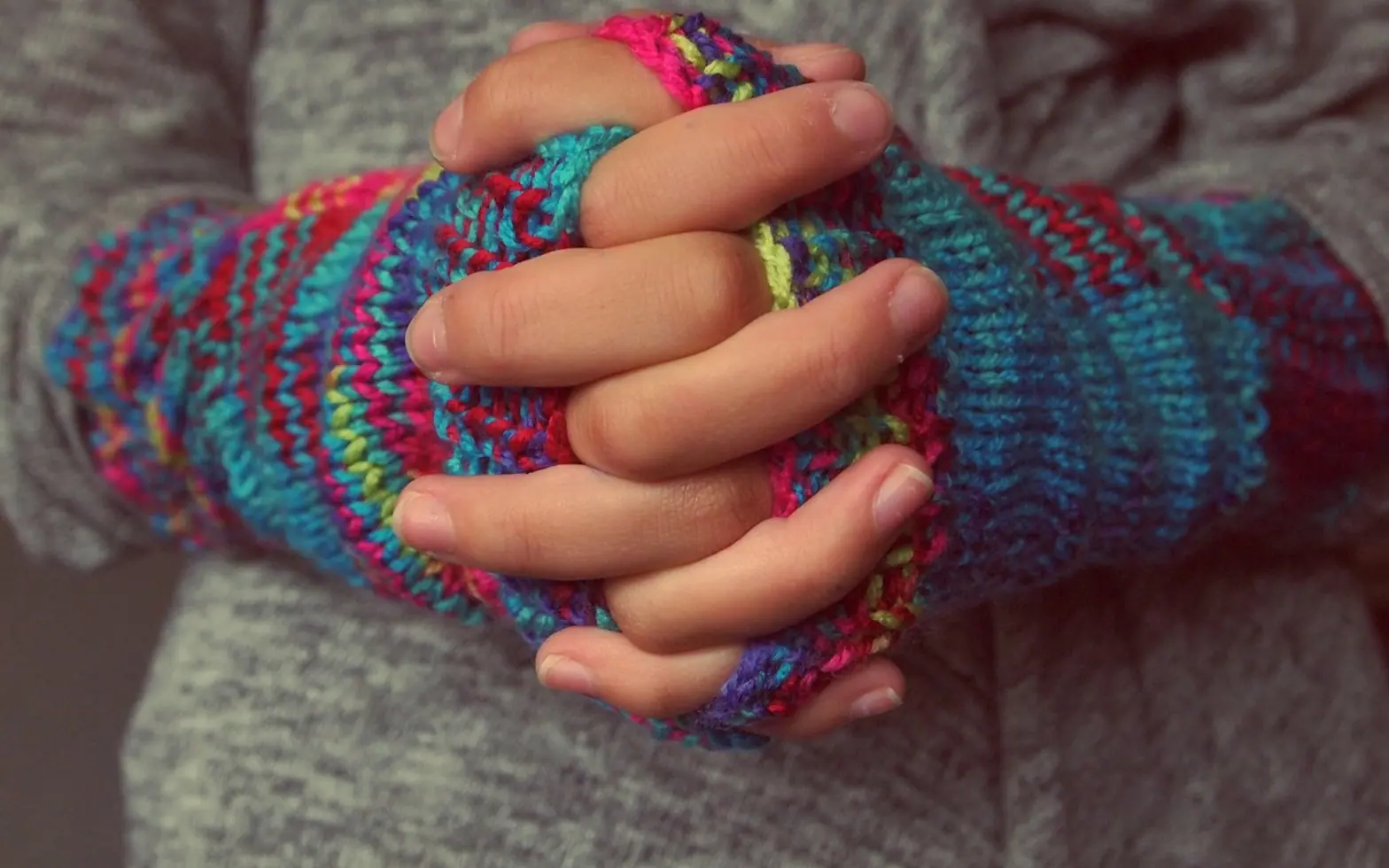
Cold hands and feet are usually the body doing its job. When you are chilly, still or stressed, the small blood vessels in the fingers and toes narrow so that warmth stays around the vital organs. That is why the extremities cool first. If they stay cold in a warm room, change colour, go numb or hurt, though, the cause may be something a GP should look at, such as Raynaud's phenomenon, a circulation problem or a thyroid or blood condition.
Why the extremities lose heat first
Fingers and toes have a lot of surface area and little muscle to generate warmth. Their blood supply works like a thermostat: vessels open to release heat on a hot day and close down to keep it in on a cold one. Anything that tips that thermostat towards "close" leaves the tips of the body feeling icy.
Common causes, from everyday to medical
| Cause | What it often looks like |
|---|---|
| Cold surroundings or damp clothing | Both hands or feet cold, warming up quickly indoors |
| Sitting still for a long time | Cold feet at a desk or on a long journey, better after moving |
| Stress or anxiety | Clammy, cool hands during tense moments |
| Raynaud's phenomenon | Fingers or toes turn white, then blue, then red as they rewarm, often with tingling |
| Smoking | Narrowed vessels that make fingers and toes slow to warm |
| Low body weight | Feeling the cold more than others in the same room |
| Anaemia or an underactive thyroid | Coldness alongside tiredness, pale skin or other changes |
| Narrowed leg arteries or nerve problems | Cold, pale or numb feet, leg pain on walking, slow-healing sores |
| Some medicines | Cold extremities that started after a new prescription |
A few of these deserve a word more. Raynaud's is common and often mild, but it can sometimes go along with other conditions, so it is worth mentioning to a GP. Tobacco tightens blood vessels and damages their lining over time; adult smokers thinking about smoke-free options can read why more people are turning to reusable vapes when they quit, and a local stop-smoking service can help plan the change. Very low body weight leaves less insulation, and the explainer on what BMI measures and what it misses shows why one number is only part of that picture. If cold hands began after starting a new medicine, do not stop taking it; ask the pharmacist or prescriber instead.
Simple ways to warm up
- Dress in layers and keep the core warm, since a warm body is more willing to send heat outwards.
- Wear gloves and thick socks before you go out, not after your fingers are already numb.
- Move regularly: wiggle fingers and toes, swing your arms and walk around every so often.
- Warm hands under lukewarm running water rather than holding them in front of a heater.
- Keep feet dry and change damp socks quickly.
Take care with heat if your fingers or toes feel numb. Reduced feeling makes burns from hot water bottles, heated pads or fires much easier. More habits that support blood flow are collected in the guide to improving circulation in the legs and feet.
When to see a GP
Make an appointment if your hands or feet are cold most of the time without an obvious reason, if fingers or toes change colour, if coldness comes with numbness, pain or sores that heal slowly, or if you also feel unusually tired, short of breath or low. People living with diabetes should report any change in their feet promptly. A GP may examine the pulses, ask about your medicines and arrange blood tests or a circulation check; the article on how vascular screening works describes one such test.
Get urgent help if a hand, foot or limb suddenly becomes cold, pale or bluish and painful, or if skin that has been exposed to severe cold turns hard, waxy or blistered.
Quick answers
Is it normal for women to have colder hands?
Many people notice it, and Raynaud's is more common in women. Constantly cold hands are still worth raising with a GP if they bother you or come with other symptoms.
Can cold feet keep you awake?
They can make it harder to settle. Bed socks and a warm (not hot) bath earlier in the evening help some people drift off more comfortably.
Small adjustments
Changes that cost a minute or less
Easy wins that are simple to keep up.
Mark the cuff
A dot of tape on the cuff shows where it sat last time, so the next reading starts the same way.
Tilt the monitor
Lowering the screen slightly lets your eyelids cover more of the eye.
Two cloths, not one
Keep a spare microfibre cloth so a clean one is always ready.
Check your bite
Lips together, teeth apart: a quick reset whenever you notice clenching.
Background reading only; your GP, pharmacist, dentist or optician can speak to your own circumstances.