Summary
A little blood on the toothbrush is common and easy to ignore, yet it is usually the gums asking for gentler, more thorough cleaning and a visit to the dental team.
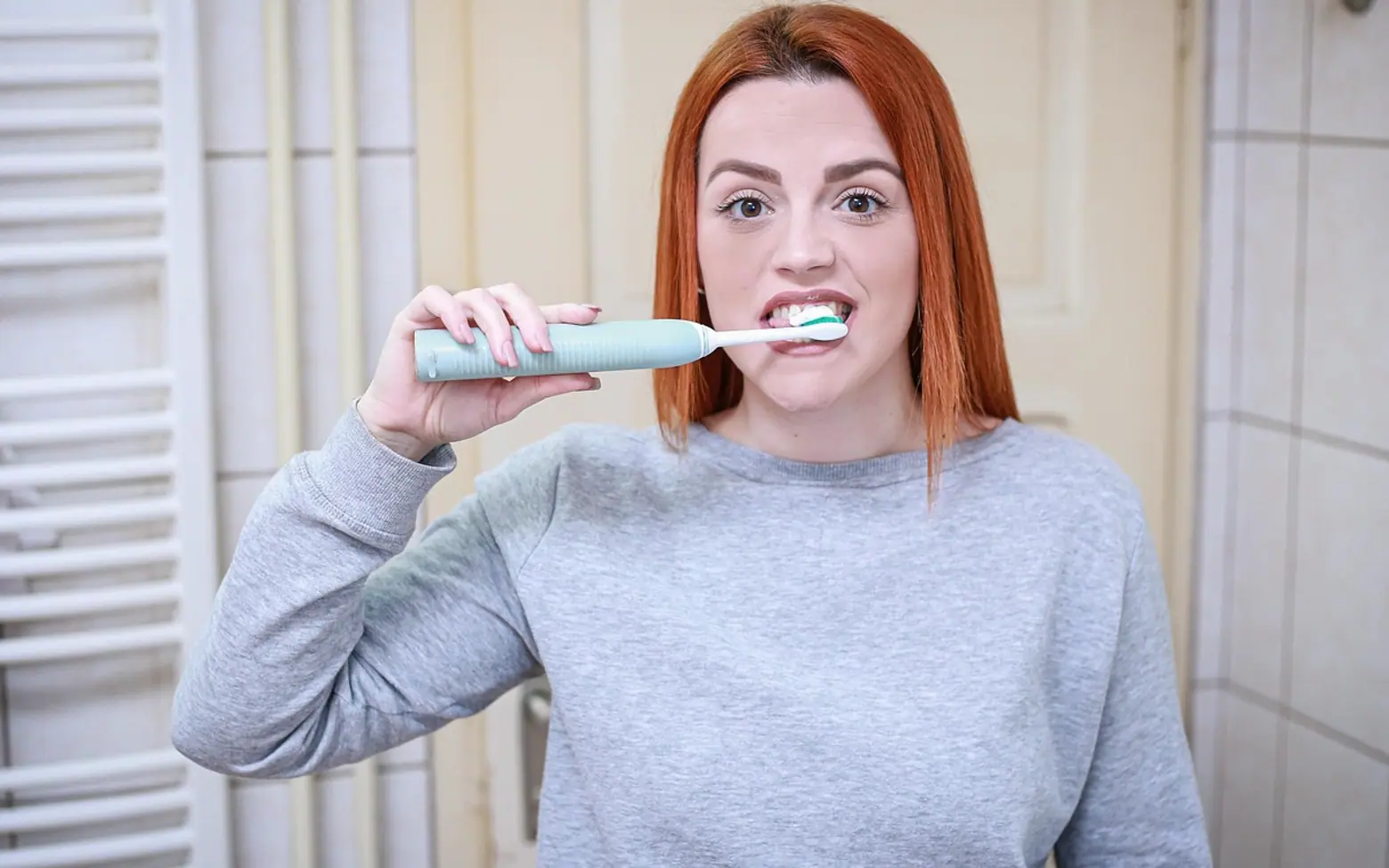
Spitting out toothpaste and seeing a pink streak in the basin is an unsettling start to the day. Many people react by brushing more softly around the sore spot or avoiding it altogether. That feels kind, but it often keeps the problem going. In most cases, bleeding gums are a sign that plaque has been sitting along the gumline for a while, and the answer is steadier, gentler cleaning plus a check with your dental team.
This entry describes common causes and everyday habits. It cannot examine your mouth, so treat it as a starting point and let a dentist or hygienist give you the full picture.
Why gums bleed
Plaque is a soft film of bacteria that builds up on teeth through the day. When it is left at the edge of the gums, the tissue there can become irritated and inflamed, a stage dentists call gingivitis. Inflamed gums look redder and puffier than usual and bleed easily when touched by a brush or floss. The encouraging part is that this early stage often settles once the area is cleaned well every day.
Other things that can play a part
- Scrubbing too hard or using a brush with stiff bristles
- Starting to clean between the teeth after a long gap, which can cause some bleeding at first
- Hormonal changes, for example during pregnancy, when gums often become more sensitive
- Some medicines, including those that affect blood clotting
- Smoking, which can harm gum health and may even hide bleeding by reducing blood flow to the gums
- Dentures, braces or a retainer rubbing or trapping food near the gumline
A gentle daily routine
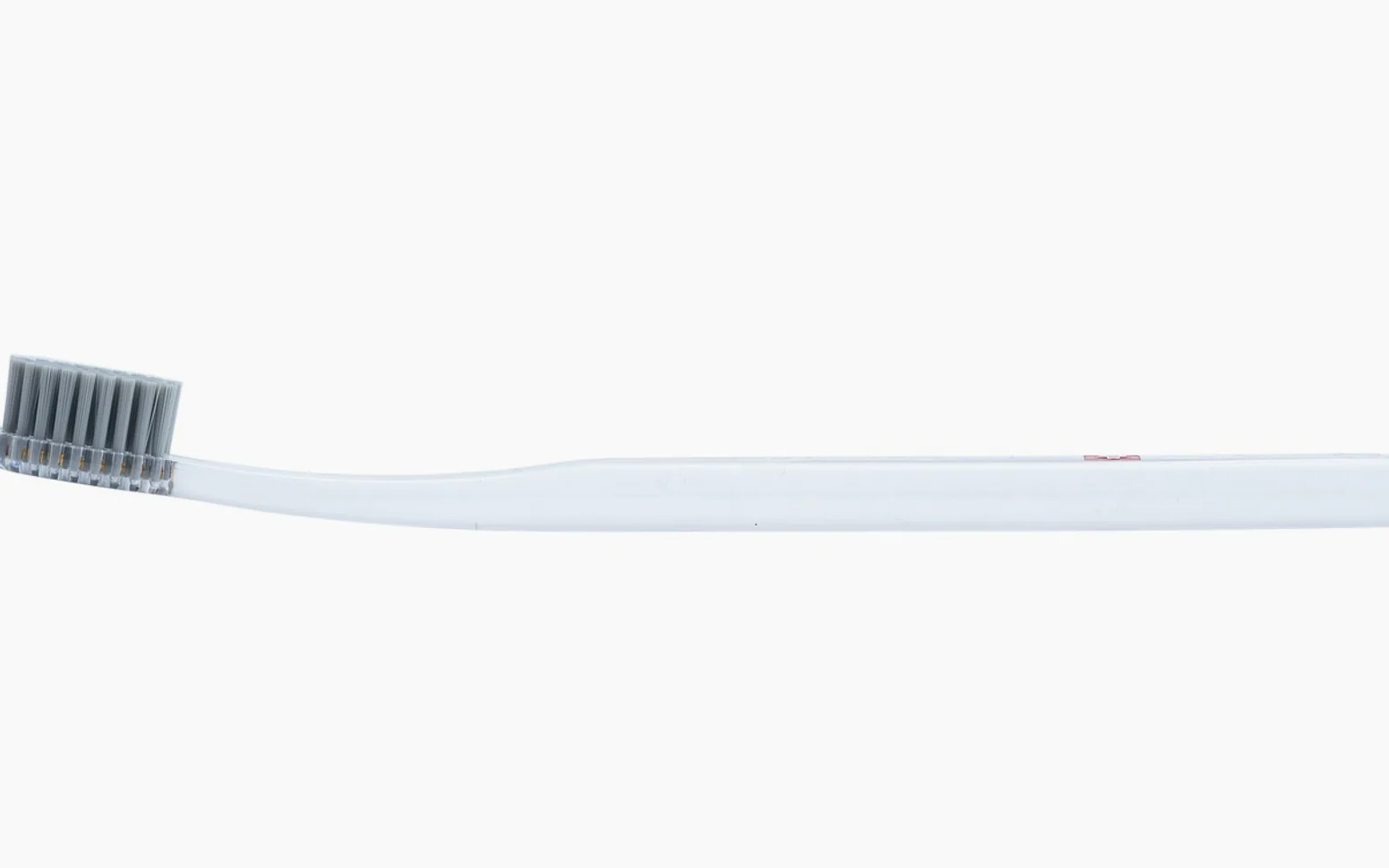
- Choose soft bristles. A soft manual brush or an electric brush with a pressure warning protects gum tissue while still lifting plaque.
- Angle towards the gumline. Tilt the bristles so they meet the place where tooth and gum join, and use small, unhurried movements rather than long sawing strokes.
- Brush twice a day with fluoride toothpaste. Last thing at night is the session that matters most, because saliva flow drops while you sleep.
- Spit, do not rinse. Leaving a thin layer of toothpaste on the teeth gives the fluoride longer to work.
- Clean between the teeth once a day. Interdental brushes, floss or a water flosser all reach where a toothbrush cannot. Ask your hygienist which size or tool fits your gaps.
- Keep going even if there is a little blood. Bleeding from inflamed gums often lessens as they become healthier. Stopping tends to let plaque build up again.
Habits that support the gums
- Swap your toothbrush or brush head when the bristles start to splay.
- Keep sugary snacks and drinks to mealtimes rather than grazing through the day.
- If you smoke, your dental team and local stop-smoking services can talk about support and options.
- Drink water through the day, especially if your mouth often feels dry.
- Look after dentures, aligners or retainers as your dental team describes, so they do not hold plaque against the gums.
| Common reaction | Why it backfires | Better approach |
|---|---|---|
| Avoiding the bleeding area | Plaque stays put and irritation continues | Clean it gently but thoroughly |
| Brushing harder to get it "really clean" | Firm scrubbing can wear the gums | Soft bristles and small movements |
| Relying on mouthwash alone | Rinsing does not lift the film from the teeth | Brush and clean between teeth; ask before using a medicated rinse |
| Waiting for it to stop by itself | Problems can develop quietly | Mention it at a check-up or book one |
Why the dental team matters
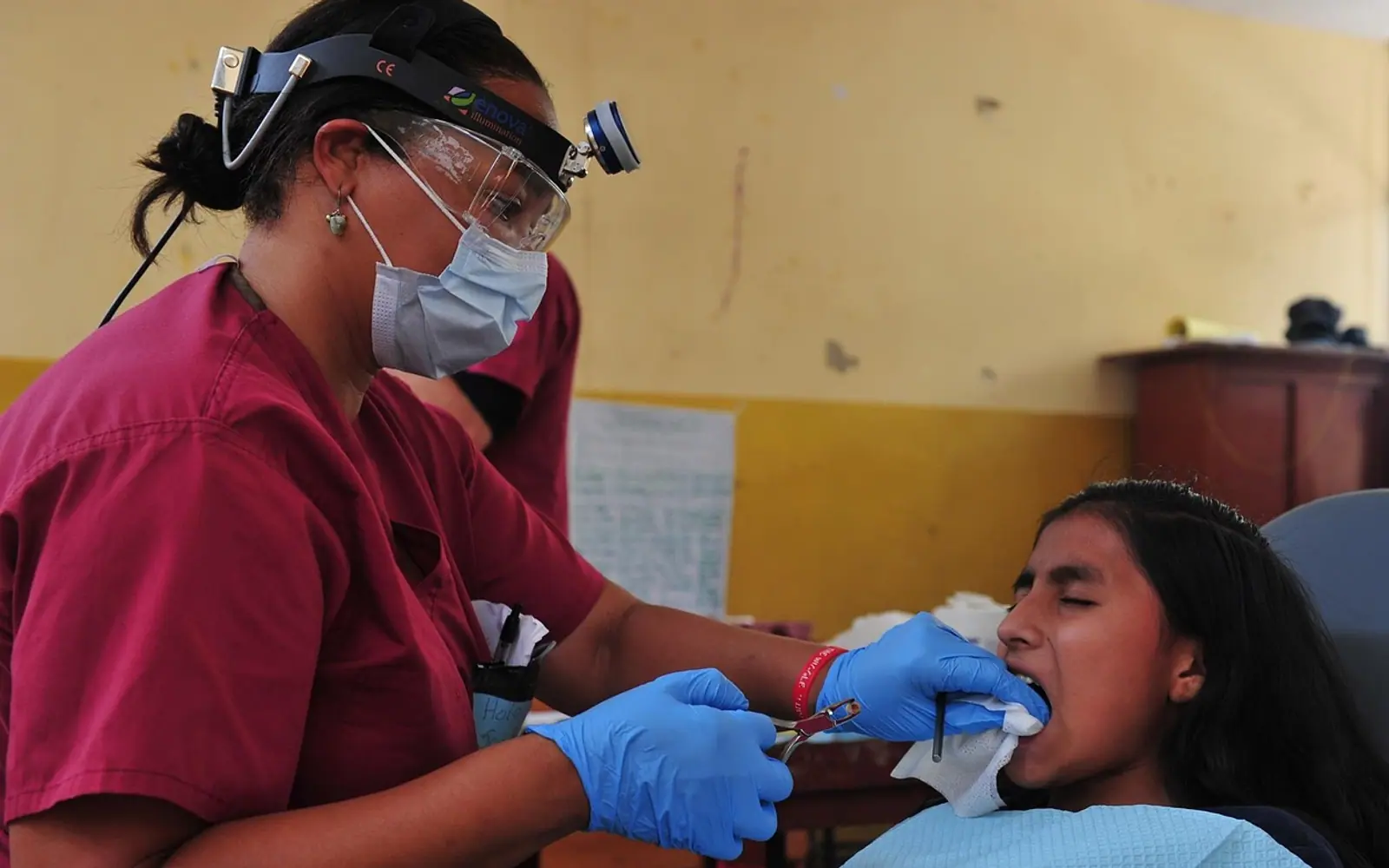
Once plaque hardens into tartar, a toothbrush cannot remove it. A dentist or hygienist can clean it away, check the depth of the spaces around each tooth and show you where your routine is missing spots. Regular visits also catch changes before they become harder to treat. Our piece on the role of family dentists explains why those appointments reach well beyond a quick polish.
If you also wake with an aching jaw or notice worn edges on your teeth, mention it at the same visit.
When to get help
Book a dental appointment if your gums still bleed after a week or two of careful cleaning, or if you notice swelling, gums pulling back from the teeth, a bad taste, persistent bad breath, pus, or teeth that feel loose or have shifted. Pregnant readers should mention any gum changes at their dental and antenatal appointments.
Speak to your GP if you bruise easily, have nosebleeds or bleeding elsewhere, feel unusually tired, or if the bleeding began after starting a new medicine. Do not stop a prescribed medicine on your own; ask the prescriber first. Heavy bleeding from the mouth that will not stop with gentle pressure needs urgent medical help.
For most people, a softer brush, daily cleaning between the teeth and regular dental visits are enough to turn a pink sink back into a clear one.
Small adjustments
Changes that cost a minute or less
Easy wins that are simple to keep up.
Mark the cuff
A dot of tape on the cuff shows where it sat last time, so the next reading starts the same way.
Tilt the monitor
Lowering the screen slightly lets your eyelids cover more of the eye.
Two cloths, not one
Keep a spare microfibre cloth so a clean one is always ready.
Check your bite
Lips together, teeth apart: a quick reset whenever you notice clenching.
Background reading only; your GP, pharmacist, dentist or optician can speak to your own circumstances.