Summary
The hard outer shell of each tooth loses and regains minerals all day long, and a handful of habits decide which way that balance tips.

Lost enamel does not grow back, but the enamel you have can be kept strong. The main tools are simple: brush twice a day with fluoride toothpaste, reduce how often teeth meet sugar and acid, give saliva a chance to do its work, protect teeth from grinding and hard brushing, and see a dentist regularly. Very early weak spots can often be repaired by the mouth's own mineral exchange. Once a cavity has formed, though, it needs treatment.
What enamel is
Enamel is the hardest substance in the human body. It covers the crown of each tooth and is made almost entirely of tightly packed mineral crystals. Unlike bone, it has no living cells, so it cannot rebuild itself after a chip or a hole. Beneath it lies dentine, a softer and more sensitive layer, which is why worn or damaged enamel often shows up as discomfort with cold or sweet foods.
The daily tug of war: losing and regaining minerals
Enamel is constantly losing and gaining tiny amounts of mineral. When bacteria in plaque feed on sugars and starches, they produce acid. Acidic foods and drinks add more. Under these conditions, calcium and phosphate are drawn out of the enamel surface; this is demineralisation.
Between those acid attacks, saliva neutralises the acid and carries calcium and phosphate back to the surface, where they can be redeposited; this is remineralisation. Fluoride helps in two ways: it encourages minerals to return, and the crystals that form in its presence are more resistant to acid.
An early warning sign that the balance is tipping the wrong way is a chalky white spot, often near the gumline. At that stage the surface is weakened but still intact, and better habits plus fluoride can often stop it from progressing. Our article on plaque and tartar explains where the acid-producing bacteria come from.
Four ways enamel gets worn
| Type | What causes it | What helps |
|---|---|---|
| Erosion | Acid from food, drink or stomach reflux softening the surface | Fewer acidic drinks between meals, water afterwards, medical advice for reflux |
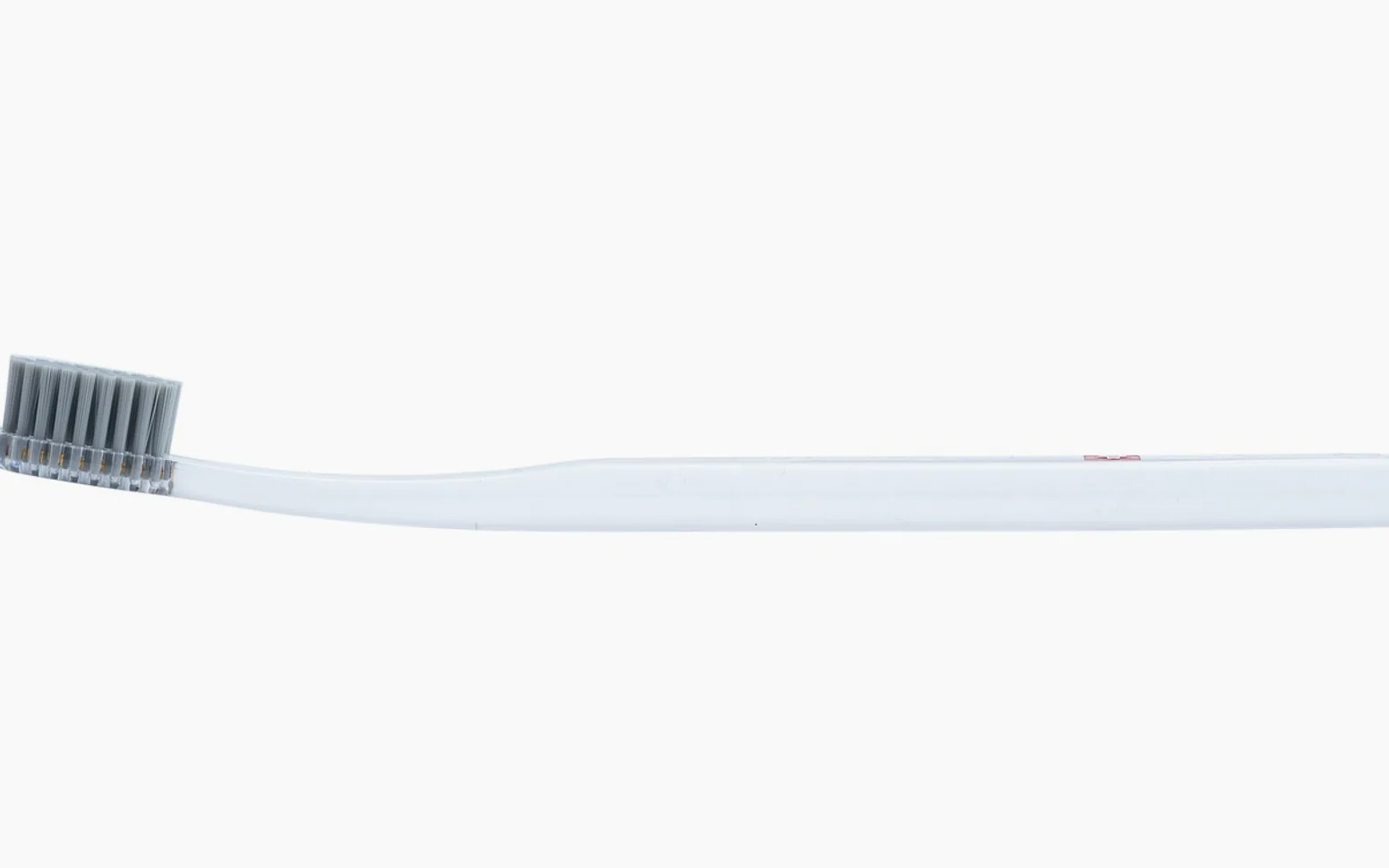
| Abrasion | Hard scrubbing, stiff brushes, very abrasive pastes or habits like holding pins in the teeth | Soft or medium brush, gentle technique, regular toothpaste |
| Attrition | Teeth grinding or clenching against each other | Managing triggers and, if advised, a night guard |
| Abfraction | Small notches near the gumline, thought to be linked with bite forces | Dental assessment; sometimes a protective filling |
Grinding is a common cause of flattened tips and fine cracks; a dentist can advise on what helps.
Everyday habits that protect enamel
- Brush with fluoride toothpaste twice a day. Last thing at night is especially important, because saliva flow drops during sleep.
- Spit out, but do not rinse. Leaving a thin film of toothpaste on the teeth lets the fluoride keep working.
- Keep sugary foods to mealtimes. How often teeth meet sugar matters more than the total amount, so frequent grazing is harder on enamel than a dessert with dinner.
- Drink acidic drinks in one go. Fruit juice, fizzy drinks and some sports drinks are kinder to teeth when finished at a meal rather than sipped for hours. A straw can reduce contact with the front teeth.
- Follow acid with water. A drink of plain water helps wash acid away.
- Wait before brushing after acid. Enamel is briefly softer after an acidic drink or after vomiting. Rinse with water and leave brushing for a while rather than scrubbing straight away.
- Chew sugar-free gum after eating. Chewing increases saliva, which helps neutralise acid.
- Use teeth only for food. Opening bottles, tearing tape or biting nails can chip the edges.
What a dentist can add
- Fluoride varnish painted onto the teeth for a stronger, longer-lasting dose
- High-fluoride toothpaste on prescription for people at higher risk of decay
- Fissure sealants that cover the deep grooves of the back teeth
- Bonding or fillings to protect areas where enamel has already worn away
- Checking for causes such as dry mouth from medicines, reflux or grinding
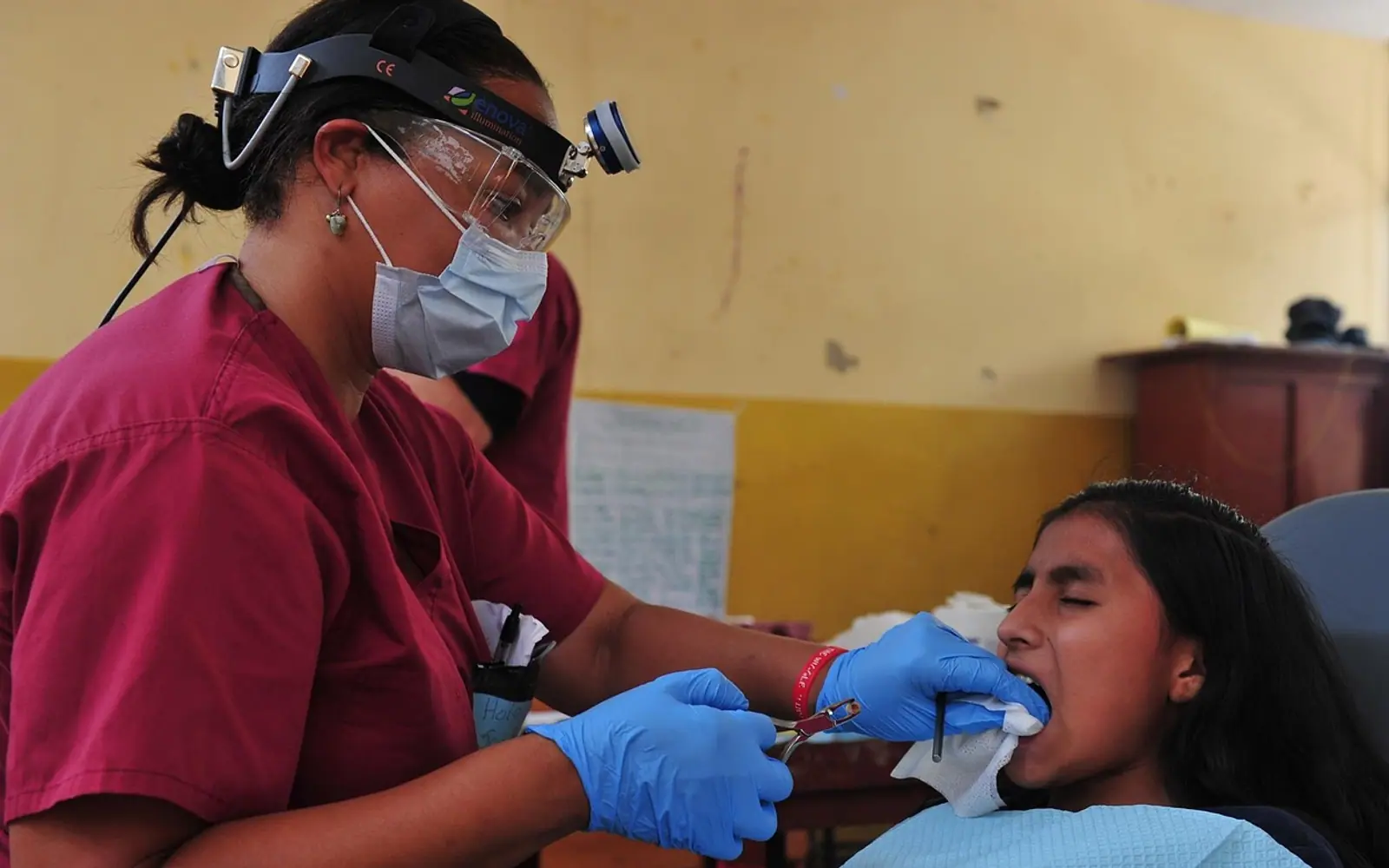
Regular visits are where early white spots and wear are picked up; our piece on how family dentists support health across a lifetime explains why that continuity helps.
Myths worth dropping
- "Remineralising toothpaste can rebuild lost enamel." These products can help strengthen weakened surfaces, but they cannot regrow enamel that has gone.
- "Whiter teeth are stronger teeth." Colour and strength are not the same thing; naturally slightly yellow teeth can be perfectly healthy.
- "Brushing harder cleans better." Extra force mainly wears enamel and gums. Thoroughness matters, not pressure.
Can teeth heal themselves?
Partly. A very early lesion, still just a white spot, can harden again as minerals return, and decay at this stage can be stopped. A cavity, where the surface has broken down into a hole, cannot close by itself and needs a dentist. If you notice new sensitivity, rough patches or dark spots, book a check rather than waiting.
Small adjustments
Changes that cost a minute or less
Easy wins that are simple to keep up.
Mark the cuff
A dot of tape on the cuff shows where it sat last time, so the next reading starts the same way.
Tilt the monitor
Lowering the screen slightly lets your eyelids cover more of the eye.
Two cloths, not one
Keep a spare microfibre cloth so a clean one is always ready.
Check your bite
Lips together, teeth apart: a quick reset whenever you notice clenching.
Background reading only; your GP, pharmacist, dentist or optician can speak to your own circumstances.