Summary
The fuzzy feeling on your teeth by the evening and the hard yellow line near the gums are the same material at two different stages.
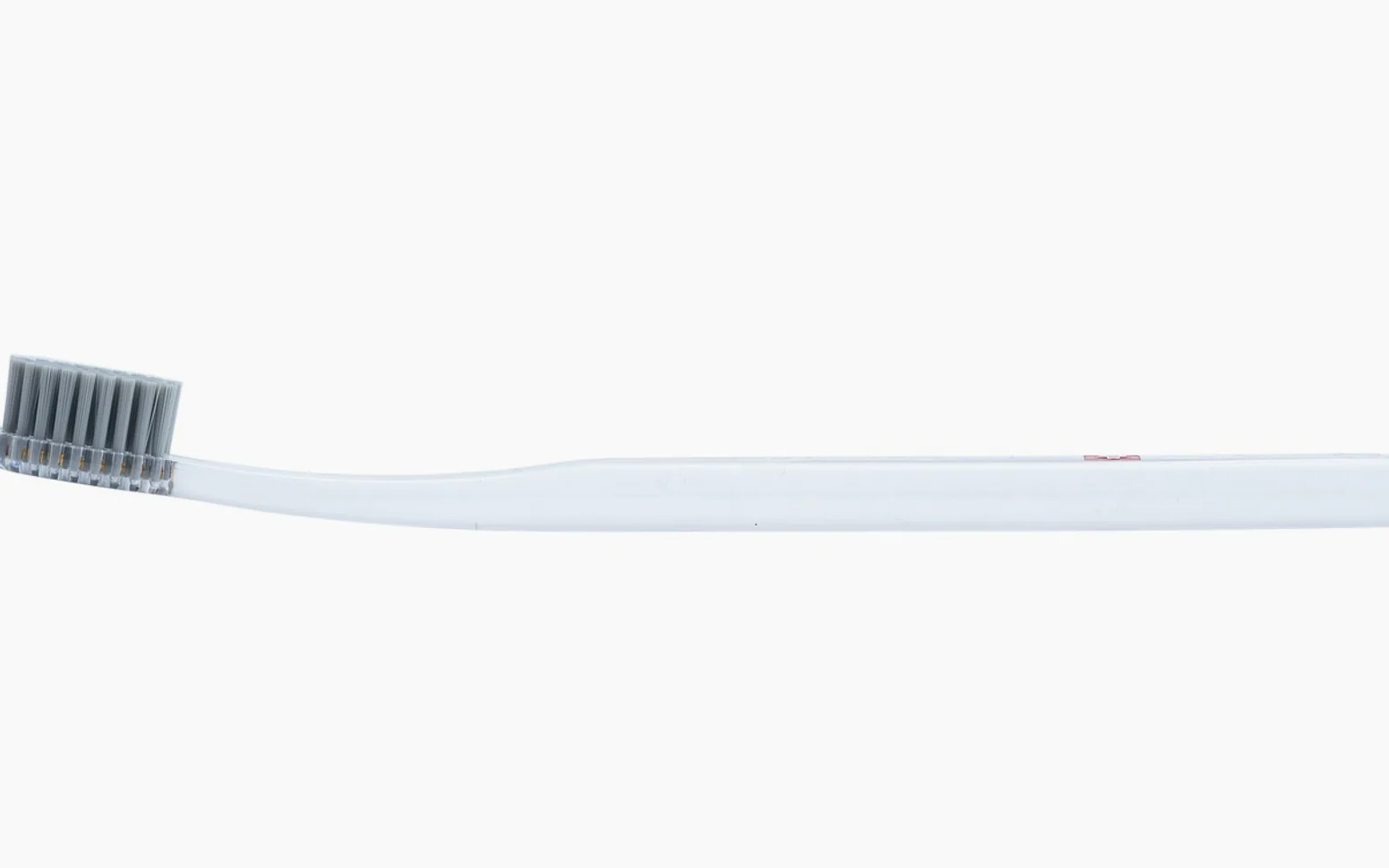
Plaque is the soft, sticky film of bacteria that builds up on teeth every day. It can be removed at home with a toothbrush and something that cleans between the teeth. Tartar, also called calculus, is plaque that has been left long enough to harden with minerals from saliva. Once that happens, brushing will not shift it, and it needs to be removed by a dentist or hygienist. Keep plaque under control and tartar has far less chance to form.
What plaque is made of
Plaque is a living layer. Bacteria from the mouth settle on the tooth surface, multiply and surround themselves with a sticky matrix that helps them cling on. A fresh layer begins to form within hours of cleaning, which is why that slightly furry feeling returns by the end of the day.
Two things make plaque a problem. When the bacteria feed on sugars and starches, they release acids that draw minerals out of enamel; over time this can lead to decay, as explained in our guide to strengthening teeth and protecting enamel. Plaque along the gumline also irritates the gums, which is one of the most common reasons they turn red and bleed. Our article on bleeding gums when you brush covers that side in detail.
How plaque hardens into tartar
Saliva carries calcium and phosphate. When plaque sits undisturbed, these minerals gradually crystallise inside it and the film turns into a hard, chalky deposit that bonds firmly to the tooth. Tartar is rough, so fresh plaque sticks to it easily, and the cycle repeats.
Tartar tends to collect where saliva pools and where cleaning is awkward:
- Behind the lower front teeth
- On the cheek side of the upper back teeth
- Along and just under the gumline
- Around crowded or overlapping teeth
- Next to fillings, crowns or braces with ledges and edges
Tartar above the gumline often looks creamy, yellow or brown. Deposits below the gumline are usually darker and cannot be seen without dental instruments.
Side by side
| Plaque | Tartar (calculus) | |
|---|---|---|
| Texture | Soft, sticky, feels fuzzy to the tongue | Hard and rough |
| Colour | Pale, almost invisible | Yellow, brown or dark, often stained |
| Removed by | Brushing and cleaning between teeth | Professional scaling only |
| Main risks | Decay and gum inflammation | Holds more plaque against gums, harder to keep clean |
Signs that buildup is getting ahead of you
- A gritty or ridged line you can feel with your tongue behind the lower front teeth
- Visible staining near the gums that does not brush away
- Bleeding along the gumline while you clean
- Breath that stays stale even after brushing
Disclosing tablets, sold in pharmacies, temporarily colour plaque so you can see exactly which areas your brush is missing. They are a useful check once in a while.
Keeping plaque down at home
- Brush twice a day with fluoride toothpaste for around two minutes, angling the bristles towards the gumline.
- Clean between your teeth once a day with floss, tape or interdental brushes in a size your dental team recommends.
- Spit, don't rinse, after brushing, so the fluoride stays on the teeth for longer.
- Cut down on how often you snack on sugary foods and drinks, since each one feeds the bacteria.
- Consider a tartar-control toothpaste. It may slow new deposits forming, but it cannot remove tartar that is already there.
What a professional clean involves
A dentist or hygienist removes tartar with small hand instruments, an ultrasonic scaler that uses vibration and a water spray, or both. You may feel scraping, vibration or cold water, and the area can feel slightly tender afterwards. Teeth are often polished at the end to smooth the surface. If deposits sit deeper under the gums, a more thorough cleaning may be suggested, sometimes over more than one visit.
How often you need this depends on your gums, how quickly tartar builds up for you and your general health. Your dental team will suggest an interval; our article on the wider role of family dentists explains why regular contact pays off.
Common questions
Can I scrape tartar off myself?
It is best not to. Sharp tools bought online can scratch enamel, cut the gums and push deposits further under the gumline. Leave it to the dental team.
Does mouthwash get rid of plaque?
Some mouthwashes can reduce bacteria, but rinsing does not break up the plaque film the way brushing and interdental cleaning do. Think of it as an extra, not a replacement.
Why do I get tartar quickly even though I brush?
The make-up of saliva differs between people, and some simply form tartar faster. Regular cleaning still matters, and a professional clean at the interval your dentist suggests keeps it from building up.
Small adjustments
Changes that cost a minute or less
Easy wins that are simple to keep up.
Mark the cuff
A dot of tape on the cuff shows where it sat last time, so the next reading starts the same way.
Tilt the monitor
Lowering the screen slightly lets your eyelids cover more of the eye.
Two cloths, not one
Keep a spare microfibre cloth so a clean one is always ready.
Check your bite
Lips together, teeth apart: a quick reset whenever you notice clenching.
Background reading only; your GP, pharmacist, dentist or optician can speak to your own circumstances.