Summary
Public health is often pictured as campaigns, posters and policy papers. Much of it, though, happens in ordinary rooms where a professional sees the same families year after year. The family dental…
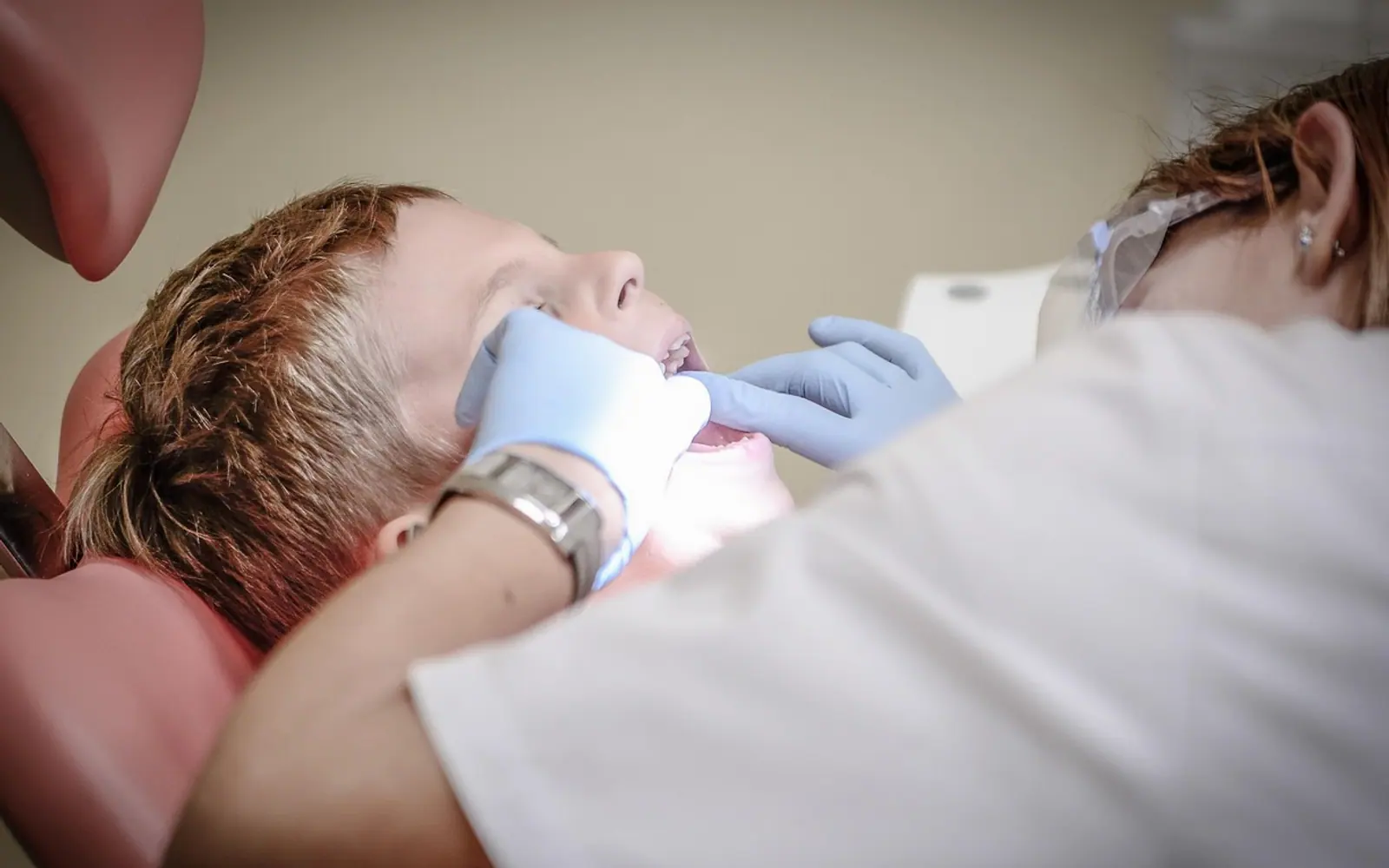
Public health is often pictured as campaigns, posters and policy papers. Much of it, though, happens in ordinary rooms where a professional sees the same families year after year. The family dental practice is one of those rooms. Because a good dentist meets toddlers, teenagers, parents and grandparents from the same streets, the practice becomes a quiet observation post for the health of a whole neighbourhood.
Early years: setting the pattern
A child's first visits are less about treatment and more about familiarity. Sitting in the chair, counting teeth and being praised for opening wide turns the surgery into a normal place rather than a frightening one. At the same time, the dentist can talk with parents about bedtime brushing, sugary drinks in bottles and how fluoride toothpaste fits into a family routine. Protective coatings on the chewing surfaces of back teeth, often called sealants, may be suggested for some children, and school outreach programmes in many areas bring checks to pupils who might otherwise not be seen.
Pregnancy and young parents
Hormonal changes in pregnancy can make gums more tender and prone to bleeding, and some expectant parents put off dental visits because they are unsure what is safe. A practice that works alongside midwives and family doctors can reassure them that routine check-ups and cleaning are an ordinary part of antenatal life, while any treatment is planned around the pregnancy. That conversation also prepares new parents to look after a baby's first teeth.
Working years: catching problems early
Busy adults are the group most likely to skip appointments until something hurts. A local practice with clear booking, honest explanations and flexible hours makes it easier to keep coming back. Dentists also notice more than cavities. Signs of grinding linked to stress, dry mouth from medication, changes in the soft tissues and gum problems that can sit alongside conditions such as diabetes may all be spotted during a routine examination, prompting a suggestion to see a GP.
In Texas, practices such as the Fort Worth Dentist team at Summerbrook show what a neighbourhood practice can offer: preventive care for every age, a welcoming setting for families and treatment options explained in plain language, so patients understand the choices in front of them.
Later life and care settings
Older people living in care homes often depend on staff for brushing and denture care, and those staff may have had little practical training in it. Dentists who visit residential settings, show carers simple routines and check dentures can make daily life more comfortable for residents. Keeping the mouth clean matters for eating, speaking and dignity, and it supports general wellbeing at an age when small problems can quickly become larger ones.
Beyond the surgery walls
Community-minded practices find many ways to reach people who rarely book a check-up:
- staff who speak the languages common in the area;
- advice that respects local food traditions instead of dismissing them;
- information stalls at health fairs, schools and community centres;
- clear guidance on what to do out of hours, so a toothache does not end up in a busy emergency department.
None of this replaces individual care. If you notice persistent pain, bleeding gums, a sore that does not heal or a loose tooth, book an appointment with your own dentist, and raise any wider health worries with your GP. The value of a family practice lies in that steady relationship, built one visit at a time.
Small adjustments
Changes that cost a minute or less
Easy wins that are simple to keep up.
Mark the cuff
A dot of tape on the cuff shows where it sat last time, so the next reading starts the same way.
Tilt the monitor
Lowering the screen slightly lets your eyelids cover more of the eye.
Two cloths, not one
Keep a spare microfibre cloth so a clean one is always ready.
Check your bite
Lips together, teeth apart: a quick reset whenever you notice clenching.
Background reading only; your GP, pharmacist, dentist or optician can speak to your own circumstances.