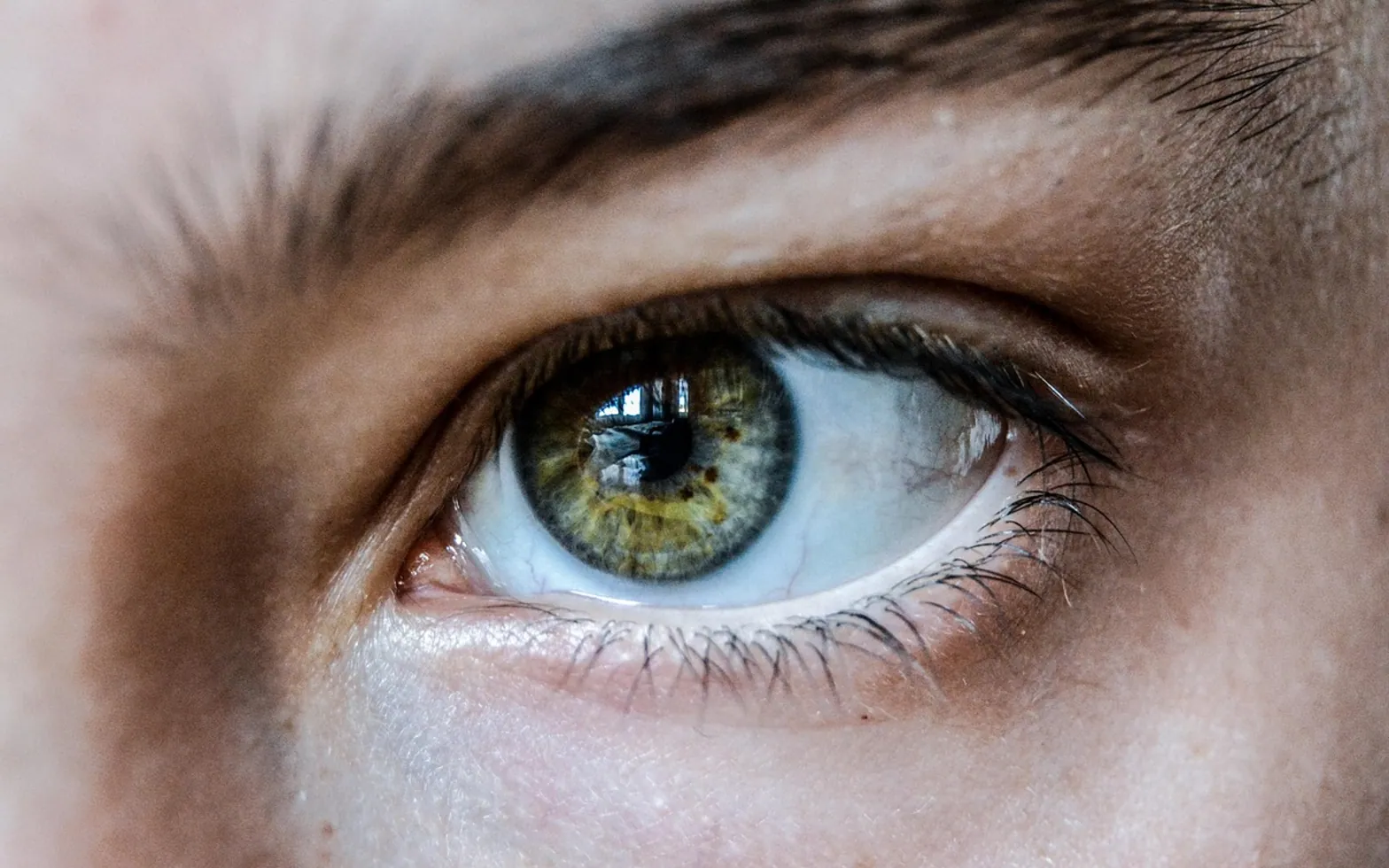
Summary
That small flutter in the lower lid that nobody else seems to notice is usually a sign of a tired, over-stimulated week, and it tends to fade once the week does.
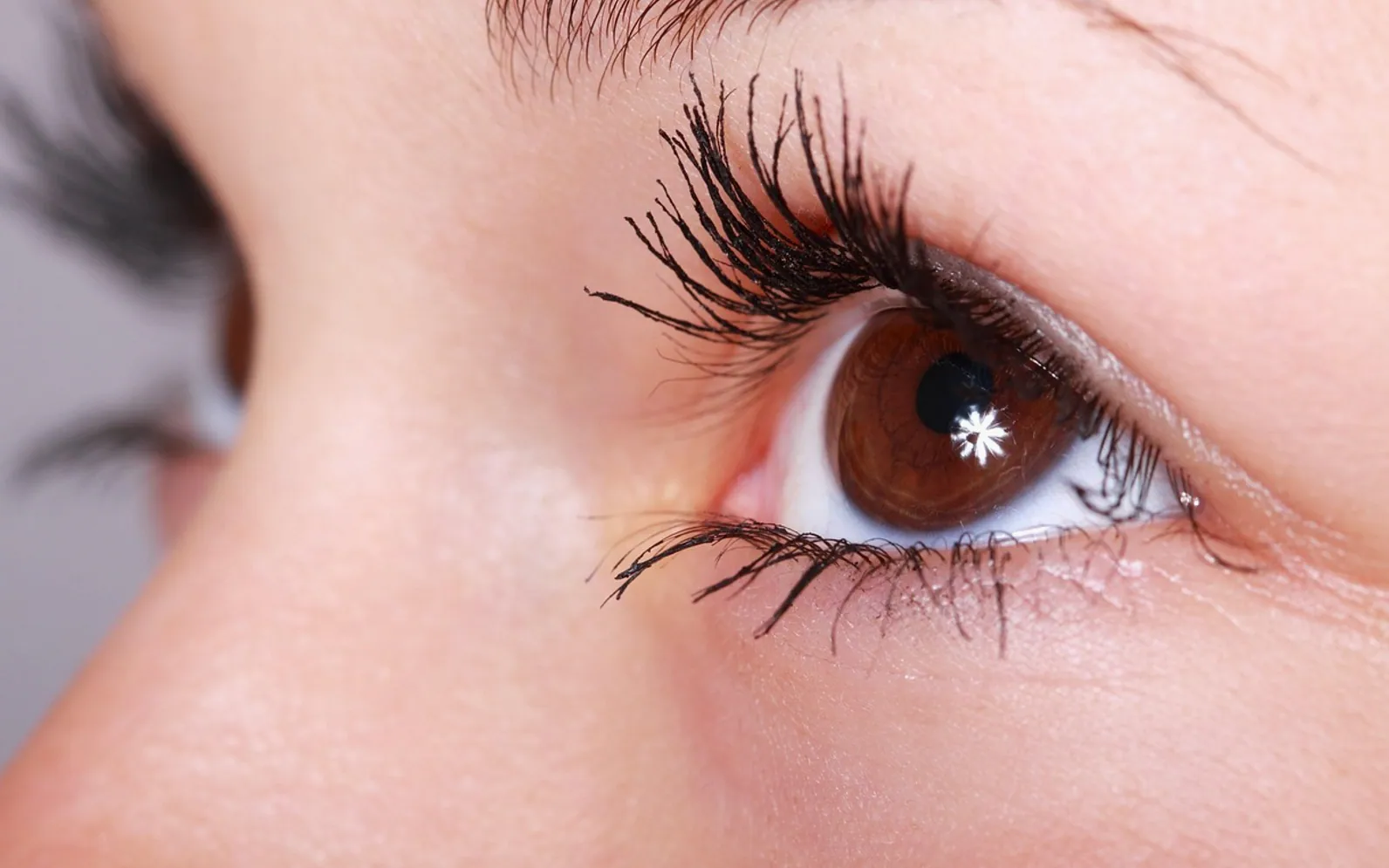
You are halfway through an email when the lower lid of one eye starts to flutter. It feels dramatic from the inside, like a moth trapped under the skin, yet when you check in the mirror there is barely anything to see. A few seconds later it stops, only to return twenty minutes on. By the third day it has become the most annoying thing in your life.
This kind of twitch has a name, eyelid myokymia, and it is one of the most common small complaints people bring to opticians and GPs. In the great majority of cases it is harmless and settles on its own. Knowing what usually sets it off, and which signs point to something else, makes it much easier to wait it out calmly.
What is actually moving
The eyelids are closed by a thin ring of muscle called the orbicularis oculi. In myokymia, a few small bundles of fibres in that muscle fire repeatedly without being asked to. The result is a fine, rippling movement, most often in the lower lid of one eye, sometimes in the upper lid. It does not affect vision and does not close the eye.
The flicker can come in short bursts over several hours, vanish for a day and then return. Episodes often run for a few days, and some people notice them on and off for a couple of weeks.
Common triggers
There is rarely a single cause, but the same handful of factors turn up again and again. Most of them describe a body that is running slightly hot:
- Short or broken sleep. A run of late nights is one of the most frequently mentioned triggers.
- Stress. Deadlines, exams, money worries and busy family weeks all seem to make the nerves around the eye more excitable.
- Caffeine. Extra coffee, strong tea or energy drinks, especially when they are standing in for sleep.
- Alcohol. Some people notice a flutter the day after drinking.
- Tired, dry eyes. Long hours of close work, air conditioning and wind can leave the surface of the eye irritated.
- Bright light and glare. Squinting against sun or a harsh screen keeps the lid muscles busy.
- Irritation at the lid margin. Inflamed eyelids, an eyelash rubbing the eye or a small lump on the lid can all keep the area stirred up.
Several of these overlap. A demanding week often brings less sleep, more coffee and more screen time at once, which may explain why twitches tend to arrive in clusters.
What tends to calm it down
There is no quick switch that stops a twitch, but easing the load on the body usually lets it fade. These steps are simple and safe for most adults:
- Protect your sleep for a few nights. An earlier, steadier bedtime is often the single most helpful change. The background on how the body's chemistry prepares for sleep explains why a regular rhythm matters.
- Cut back on caffeine gradually. Dropping it suddenly can bring headaches, so trim one cup at a time.
- Rest your eyes during close work. Regular breaks, a better screen position and less glare all reduce strain; the practical steps for easing tired eyes at a screen apply here too.
- Soothe dry eyes. Blinking fully and avoiding fans aimed at the face can help. A pharmacist can suggest whether lubricating drops are worth trying.
- Use a warm compress. A clean flannel soaked in warm (not hot) water, held on the closed lid for a few minutes, feels comforting and keeps the lid margin clean.
- Find a way to switch off. Anything that genuinely lowers tension counts, from a walk after work to an evening of music. There is a short piece on what singing can do for mood for anyone who unwinds that way.
Massaging or pressing on the eye is best avoided. It rarely stops the flutter and can irritate the surface further.
Twitch, spasm or something else?
A few less common conditions can look similar at first, which is why persistent symptoms deserve a professional opinion. The table gives a rough idea of how they are usually described. It is not a way to diagnose yourself.
| What people notice | How it is often described | Usual next step |
|---|---|---|
| A fine flutter in one lid that comes and goes | Eyelid myokymia, the everyday twitch | Rest, sleep, less caffeine; see a GP if it lasts weeks |
| Both eyes blinking hard or squeezing shut without control | Blepharospasm | GP or optician, who may refer on |
| Twitching that spreads to the cheek or mouth on one side | Hemifacial spasm | GP appointment |
| A twitch with a red, sore or sticky eye, or a lump on the lid | Irritation or infection of the lid or eye | Pharmacist, optician or GP |
A tender red bump at the edge of the lid is often a stye, and the gentle home measures for easing a stye are worth reading if that sounds familiar.
When to get it checked
Book an appointment with your GP or optician if:
- the twitch has carried on for more than a couple of weeks;
- the eyelid closes completely, or you struggle to open the eye;
- other parts of the face start to twitch or feel weak;
- the upper lid begins to droop;
- the eye becomes red, swollen or painful, or there is discharge;
- your vision changes in any way.
Seek emergency help straight away if one side of the face suddenly droops or feels weak, especially alongside slurred speech, arm weakness or confusion. Those signs are not a twitch and need urgent assessment.
If it has been a while since your last eye examination, a flickering lid is a reasonable prompt to book one. The guide to what happens at a routine eye exam walks through the visit step by step. For most people, though, the twitch is simply a message to sleep a little more and ease off the coffee, and it fades as quietly as it arrived.
Small adjustments
Changes that cost a minute or less
Easy wins that are simple to keep up.
Mark the cuff
A dot of tape on the cuff shows where it sat last time, so the next reading starts the same way.
Tilt the monitor
Lowering the screen slightly lets your eyelids cover more of the eye.
Two cloths, not one
Keep a spare microfibre cloth so a clean one is always ready.
Check your bite
Lips together, teeth apart: a quick reset whenever you notice clenching.
Background reading only; your GP, pharmacist, dentist or optician can speak to your own circumstances.